Micro Advocacy Platform

×
Useful links
Home Digital Tools for Local Advocacy Community Empowerment Strategies Impactful Grassroots Initiatives Volunteer Opportunities in my Area
Micro Advocacy Advocacy Consultation Environmental Micro Advocacy Education Reform at the Local Level Healthcare Access Advocacy Near Me

Socials
Facebook Instagram Twitter Telegram
Help & Support
Contact About Us Write for Us

Dictators and Social Justice Movements: A Complex Relationship

Category : | Sub Category : Posted on 2025-11-03 22:25:23
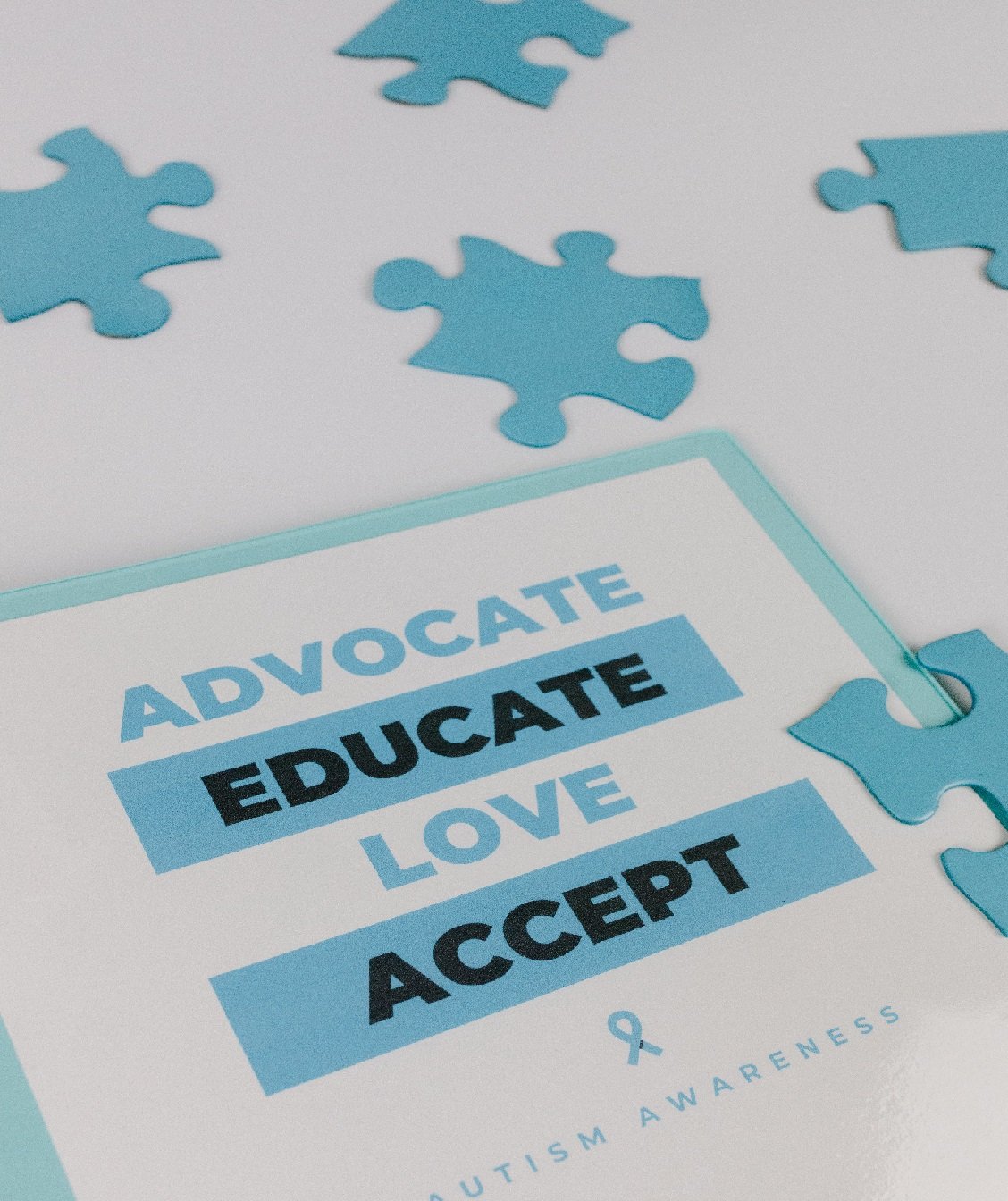

Dictators and Social Justice Movements: A Complex Relationship

dictators and social justice movements are often seen as diametrically opposed forces, with dictators using their power to suppress dissent and maintain control, while social justice movements seek to challenge systemic injustices and bring about positive change. However, the relationship between dictators and social justice movements is more complex than it may initially seem. In some cases, dictators have co-opted social justice movements for their own purposes, using them as a tool to bolster their legitimacy and maintain power. By supporting certain social justice causes or allowing limited reforms, dictators can create the illusion of progress while continuing to suppress dissent and maintain their grip on power. This strategy, known as "dictatorship co-option," can be a powerful tool for dictators looking to shore up their support among certain segments of the population. On the other hand, social justice movements have also played a crucial role in challenging dictators and holding them accountable for their abuses of power. From grassroots movements fighting for democracy and human rights to international advocacy campaigns shining a spotlight on human rights violations, social justice movements have been instrumental in pushing back against dictatorial regimes and demanding change. In many cases, the relationship between dictators and social justice movements is marked by conflict and repression, as dictators seek to crush dissent and maintain their grip on power at any cost. However, social justice movements have proven to be resilient and resourceful in the face of such repression, finding creative ways to push for change and hold dictators accountable for their actions. Overall, the relationship between dictators and social justice movements is a complex and dynamic one, shaped by power struggles, competing interests, and the enduring desire for justice and freedom. While dictators may seek to co-opt or suppress social justice movements, these movements have proven time and again that they will not be silenced, and will continue to fight for a more just and equitable world, no matter the obstacles they may face.

Leave a Comment:

READ MORE

5 months ago Category :
Zurich, Switzerland: A Hub for Social Justice Movements

Zurich, Switzerland: A Hub for Social Justice Movements

Read More →
5 months ago Category :
Creating YouTube content that spreads awareness about social justice movements is a powerful way to educate and inspire viewers from around the world. With the platform's global reach and diverse audience, creators have the opportunity to make a significant impact by shedding light on important issues and advocating for positive change.

Creating YouTube content that spreads awareness about social justice movements is a powerful way to educate and inspire viewers from around the world. With the platform's global reach and diverse audience, creators have the opportunity to make a significant impact by shedding light on important issues and advocating for positive change.

Read More →
5 months ago Category :
The Power of YouTube Channels in Social Justice Movements

The Power of YouTube Channels in Social Justice Movements

Read More →
5 months ago Category :
The intersection of the World Cup and social justice movements is a complex and multifaceted topic that deserves thoughtful exploration. The World Cup, as one of the biggest sporting events in the world, has the power to bring together people from different backgrounds and cultures in celebration of the beautiful game. However, it is also a stage where important social justice issues can come to the forefront and spark conversations that go beyond the realm of sports.

The intersection of the World Cup and social justice movements is a complex and multifaceted topic that deserves thoughtful exploration. The World Cup, as one of the biggest sporting events in the world, has the power to bring together people from different backgrounds and cultures in celebration of the beautiful game. However, it is also a stage where important social justice issues can come to the forefront and spark conversations that go beyond the realm of sports.

Read More →