Advocating for Orphans Through Art and Design
Category : |
Sub Category : Posted on 2024-09-07 22:25:23
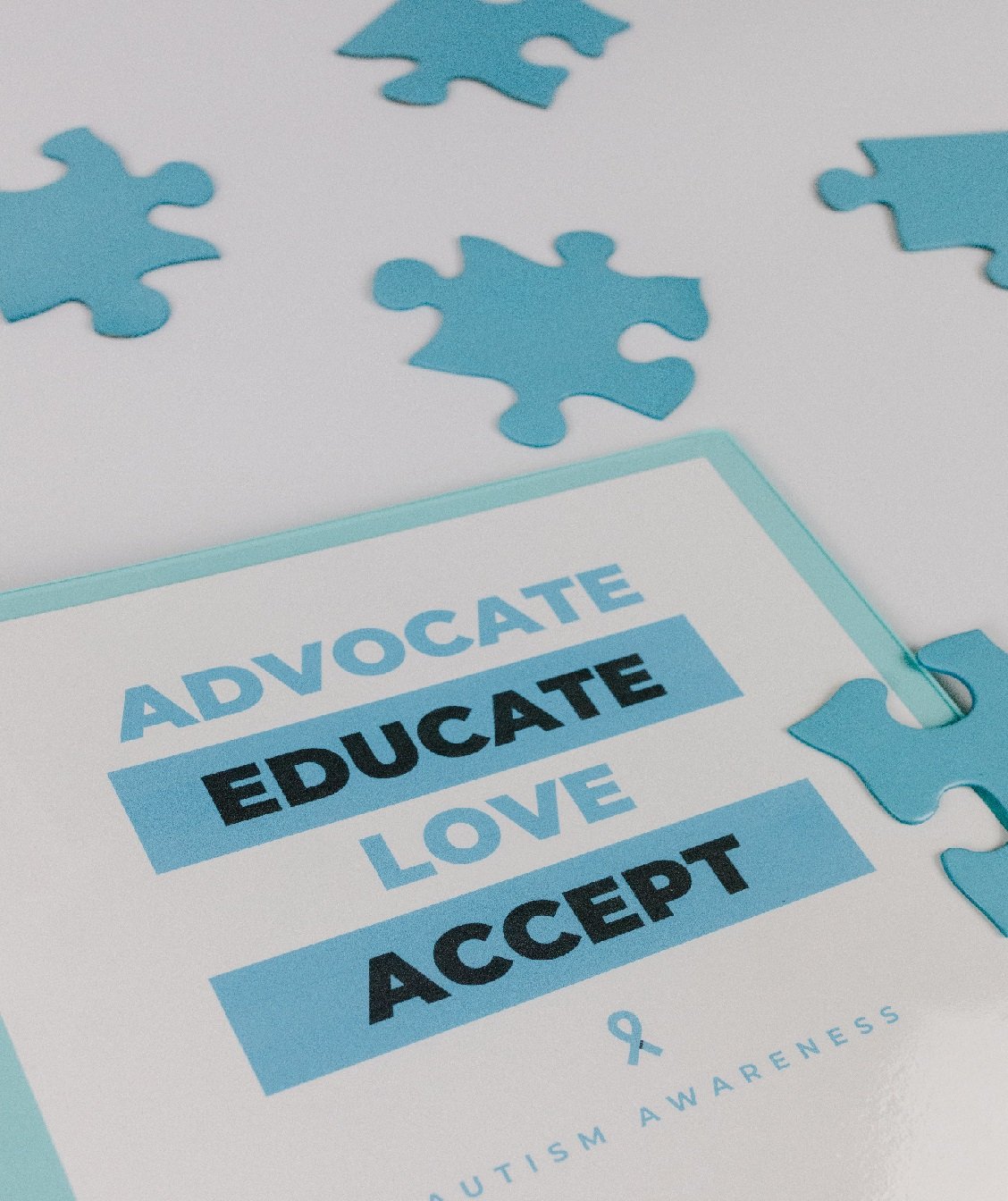
Introduction: Orphans often face numerous challenges, including lack of family support, financial instability, and limited access to education and healthcare. Advocacy plays a crucial role in raising awareness about the issues that orphans face and promoting positive change in their lives. One powerful way to advocate for orphans is through art and design. In this blog post, we will explore how art and design can be used as tools for advocacy to support orphans and improve their well-being. Raising Awareness Through Art: Art has the power to evoke emotions, spark conversations, and create connections. Artists can use their creative talents to raise awareness about the struggles of orphaned children and the need for better support systems. Paintings, sculptures, digital art, and other forms of visual art can convey the challenges and resilience of orphans, touching the hearts of viewers and inspiring them to take action. Art Exhibitions and Galleries: Organizing art exhibitions and galleries showcasing works related to orphan advocacy can attract a wider audience and amplify the message. By displaying art pieces that depict the stories and experiences of orphans, these events provide a platform for dialogue and reflection on how society can make a positive impact on the lives of disadvantaged children. Artists, art enthusiasts, and the general public can come together to support orphan advocacy through their engagement with the artwork. Designing for Change: Design is not just about aesthetics; it is also about problem-solving and creating solutions. Designers can contribute to orphan advocacy by developing innovative solutions to address the needs of orphaned children. This could involve designing educational materials, interactive platforms for awareness campaigns, or sustainable products that benefit orphanages and foster care programs. By applying design thinking to social issues related to orphans, designers can make a meaningful impact on the lives of vulnerable children. Collaborations and Partnerships: Artists, designers, and advocacy organizations can collaborate to amplify their efforts in supporting orphans. By working together on projects, campaigns, and initiatives, they can reach a wider audience and create a stronger advocacy network. Partnerships with non-profit organizations, community groups, and government agencies can provide resources, expertise, and connections to further the cause of orphan advocacy through art and design. Conclusion: Art and design have the potential to be powerful tools for advocating for orphans and creating positive change in their lives. Through creative expression, storytelling, and innovative solutions, artists and designers can raise awareness, inspire action, and support vulnerable children who lack the care and opportunities that every child deserves. By harnessing the power of art and design, we can make a difference in the lives of orphaned children and build a more compassionate and inclusive society.


