Advocating for Orphans: The Role of Etiquette and Courtesy
Category : |
Sub Category : Posted on 2024-09-07 22:25:23
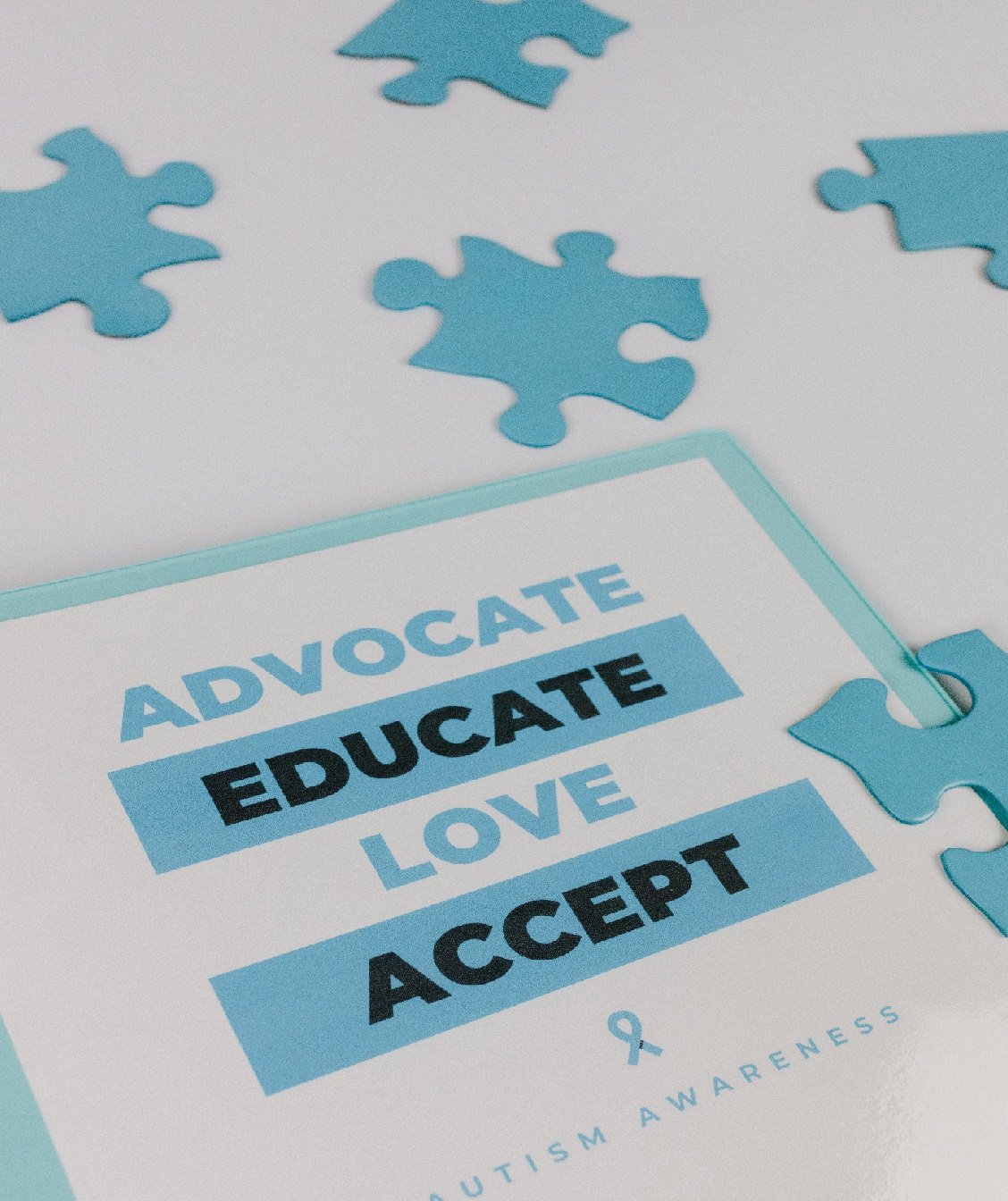
Advocacy for orphans is a noble cause that requires sensitivity, compassion, and respect. When advocating for orphaned children, it is essential to embody proper etiquette and courtesy in all interactions. In this blog post, we will explore the significance of etiquette and courtesy in orphan advocacy and provide tips on how to effectively advocate for these vulnerable children with grace and compassion. 1. Respect the Dignity of Orphans: Orphans, like all individuals, deserve to be treated with dignity and respect. When advocating for them, it is crucial to maintain a respectful attitude and language. Avoid using pity or stereotypes when discussing orphans, and instead focus on highlighting their strengths, resilience, and potential. 2. Listen and Learn: One of the most important aspects of advocacy is listening to the voices of the marginalized. Take the time to listen to the experiences and needs of orphaned children, their caregivers, and community members. By actively listening and learning from their perspectives, you can better understand how to support and empower them. 3. Use Empathetic Communication: Effective communication is key in orphan advocacy. Approach conversations with empathy, compassion, and sensitivity. Acknowledge the challenges and traumas that orphaned children may have faced, while also emphasizing their strengths and aspirations. Use language that is inclusive, non-judgmental, and empowering. 4. Collaborate and Build Relationships: Orphan advocacy is a collective effort that requires collaboration among various stakeholders, including government agencies, NGOs, communities, and individuals. Build positive and respectful relationships with these partners to strengthen your advocacy efforts. By working together, you can create more sustainable and impactful change for orphaned children. 5. Practice Cultural Sensitivity: Orphan advocacy often involves working with children from diverse cultural backgrounds. It is important to be culturally sensitive and respectful of differences in beliefs, practices, and norms. Take the time to educate yourself about the cultural context of the orphaned children you are advocating for, and adapt your approach accordingly. 6. Uphold Ethical Standards: Advocacy should always be conducted with integrity and ethical standards. Avoid exploiting orphans for personal gain, fame, or fundraising purposes. Uphold the best interests of the children at all times and prioritize their well-being and rights above all else. In conclusion, advocating for orphans requires a genuine commitment to kindness, empathy, and respect. By practicing proper etiquette and courtesy in your advocacy efforts, you can make a positive impact in the lives of orphaned children and contribute to a more compassionate and inclusive society. Let us all strive to be advocates who lead with empathy, dignity, and grace in our mission to support orphaned children around the world.


