### Advocacy Etiquette and Courtesy: A Guide for Effective Advocacy in Pakistan
Category : |
Sub Category : Posted on 2024-09-07 22:25:23
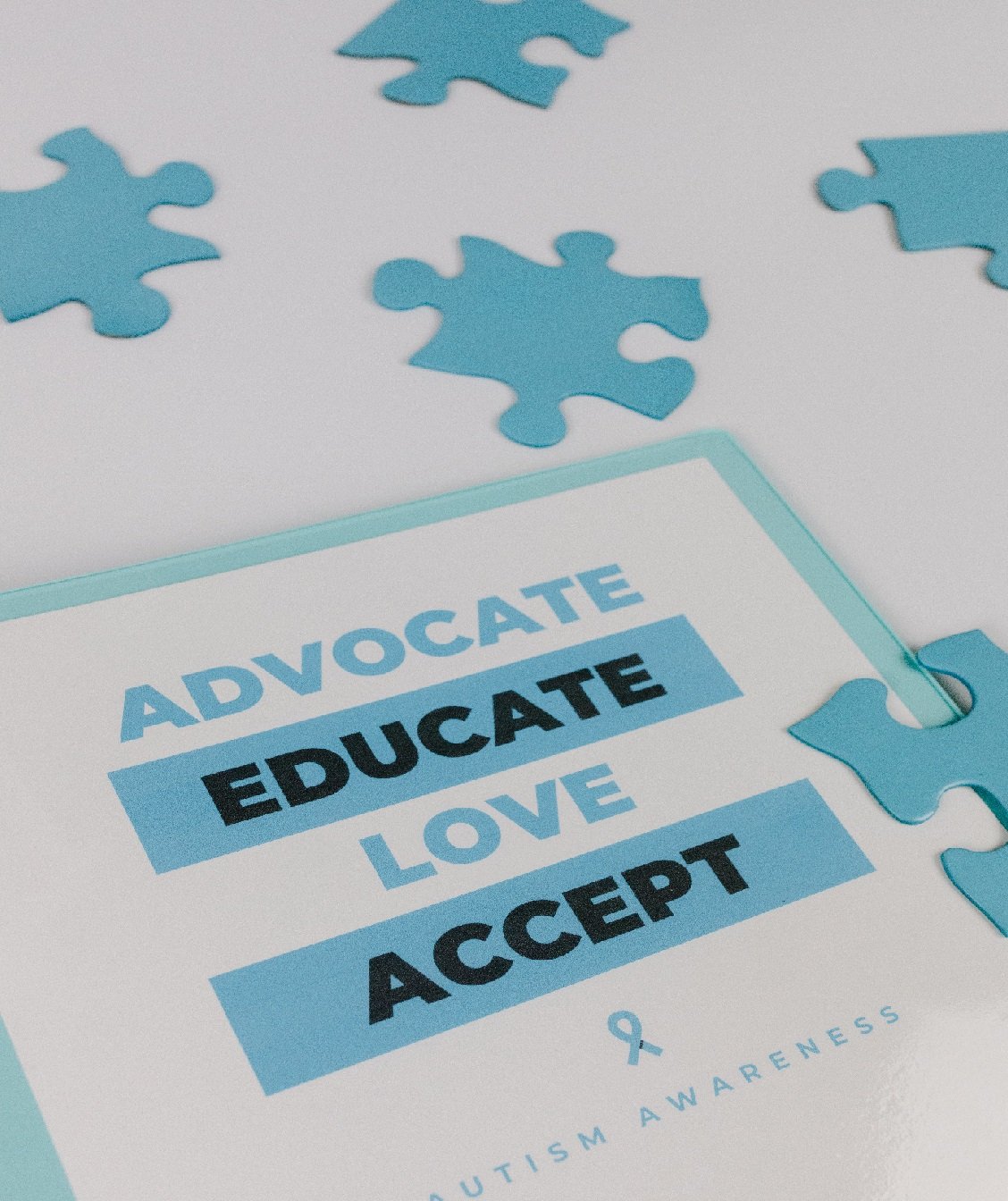
Advocacy is an essential tool for promoting change, raising awareness, and influencing decision-makers in various sectors. Whether you are advocating for social justice, environmental issues, health care reform, or any other cause in Pakistan, it is crucial to understand and practice proper etiquette and courtesy to effectively convey your message and build relationships with stakeholders. Here are some tips to help you navigate the world of advocacy in Pakistan with grace and professionalism: #### 1. Respect Cultural Differences: Pakistan is a diverse country with rich cultural traditions and norms. When engaging in advocacy efforts, it is important to be sensitive to cultural differences and show respect for local customs and beliefs. This includes dressing modestly, addressing people with appropriate titles, and being mindful of religious and social norms. #### 2. Build Relationships: Building relationships is key to successful advocacy in Pakistan. Take the time to connect with key stakeholders, including government officials, community leaders, and representatives from relevant organizations. Show genuine interest in their perspectives and seek to establish trust and credibility through open communication and collaboration. #### 3. Be Professional and Well-Informed: Present yourself professionally in all advocacy interactions. Prepare thoroughly for meetings, presentations, and forums by researching the issue at hand and staying up-to-date on relevant policies and developments. Express your arguments and recommendations clearly and concisely, and be prepared to back them up with facts and evidence. #### 4. Use Appropriate Language: When advocating for a cause, choose your words carefully to convey your message effectively and respectfully. Avoid using inflammatory language, personal attacks, or offensive remarks. Instead, focus on presenting your arguments persuasively and constructively, keeping the goal of creating positive change in mind. #### 5. Practice Active Listening: Effective advocacy requires active listening. Take the time to listen to the perspectives and concerns of others, even if they differ from your own. By showing respect and empathy towards different viewpoints, you can build trust and foster meaningful dialogue that paves the way for collaboration and mutual understanding. #### Conclusion: In conclusion, practicing proper etiquette and courtesy is essential for effective advocacy in Pakistan. By respecting cultural differences, building relationships, being professional and well-informed, using appropriate language, and practicing active listening, you can enhance the impact of your advocacy efforts and contribute positively to the causes you care about. Remember that advocacy is not just about making your voice heard, but also about fostering meaningful change through respectful and constructive engagement with others.


