"Bridging the Gap: The Intersection of Politics, Advocacy, and Engineering in STEM"
Category : |
Sub Category : Posted on 2024-09-07 22:25:23
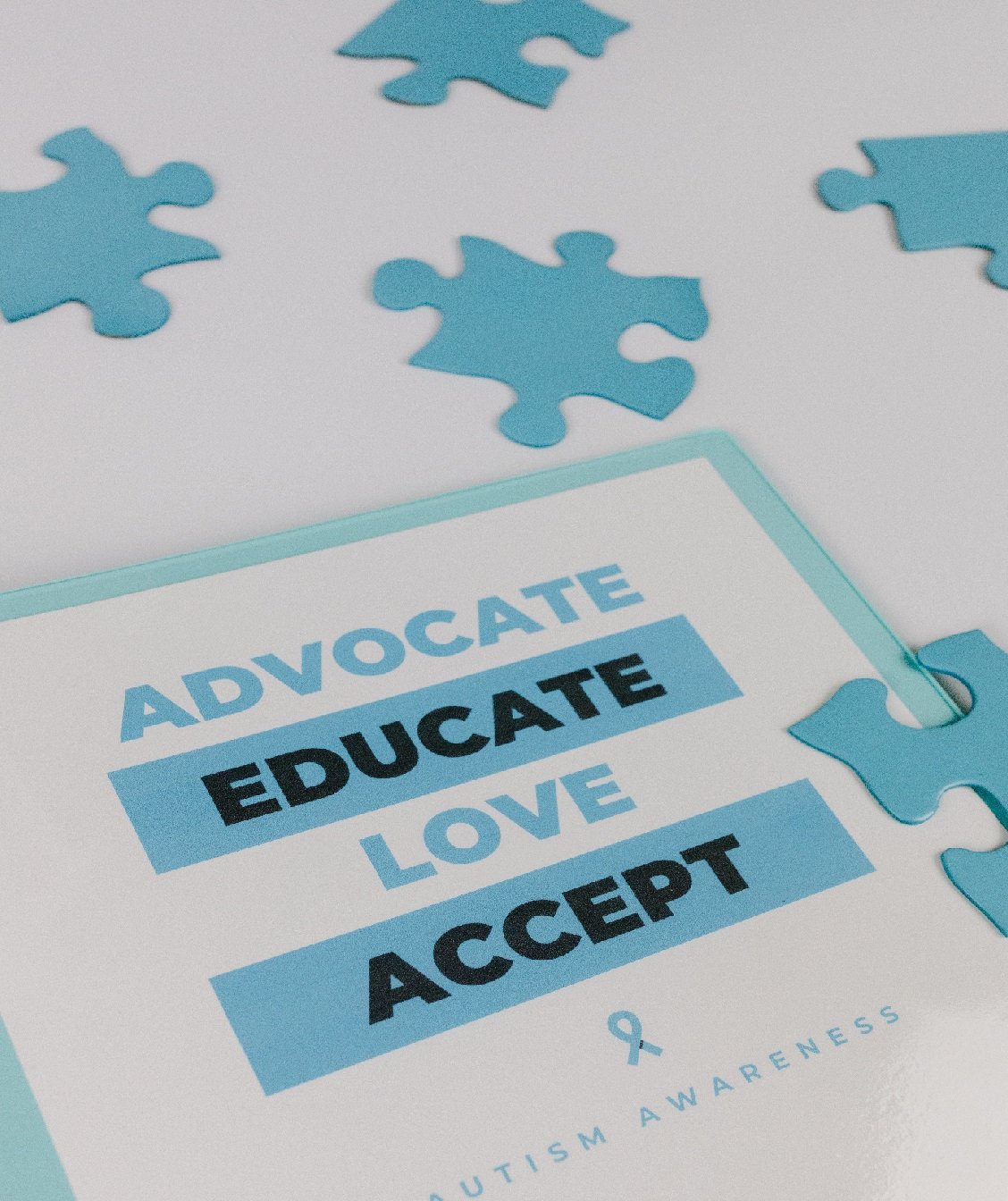
In the ever-evolving landscape of science, technology, engineering, and mathematics (STEM), the intersection of Politics, advocacy, and engineering plays a critical role in shaping the future of these fields. From policy decisions that impact funding for research and development to advocacy efforts that promote diversity and inclusion in STEM fields, these three areas work hand in hand to drive innovation and progress. Politics in STEM have a significant influence on the direction of research, funding opportunities, and overall support for scientific advancement. Government policies can either facilitate or hinder the development of new technologies and solutions. For example, decisions around budget allocations for federal agencies like the National Science Foundation (NSF) and the National Institutes of Health (NIH) can have far-reaching consequences on the ability of researchers and engineers to pursue their work. Advocacy efforts in STEM are crucial for promoting equity, diversity, and inclusion in these fields. Organizations and individuals advocate for policies and practices that support underrepresented groups, including women, people of color, and individuals with disabilities. By advocating for inclusive practices and opportunities, advocates help create a more diverse and innovative STEM workforce that better reflects the population it serves. Engineering, as a core component of STEM disciplines, plays a central role in bringing technological solutions to life. Engineers leverage their skills and knowledge to design and develop innovative products, systems, and processes that address complex challenges facing society. Whether it's developing sustainable energy solutions, improving healthcare technologies, or advancing transportation systems, engineers are at the forefront of driving progress in STEM fields. When politics, advocacy, and engineering intersect in STEM, powerful collaborations and partnerships can emerge. For instance, engineers can work with policymakers to inform evidence-based decision-making and shape policies that support scientific advancement. Advocacy organizations can partner with engineering firms to promote diversity and inclusivity within the industry, leading to a more equitable and innovative workforce. In conclusion, the intersection of politics, advocacy, and engineering in STEM is vital for driving progress and innovation in these fields. By working together, stakeholders from these areas can create a more inclusive, diverse, and forward-thinking STEM ecosystem that benefits society as a whole. As we look to the future, nurturing these connections and collaborations will be essential for addressing the complex challenges and opportunities that lie ahead in the world of science and technology. For comprehensive coverage, check out https://www.cotidiano.org For a comprehensive review, explore https://www.topico.net visit: https://www.enemigo.org


