**Exploring the Intersection of NFTs, Gaming, and Advocacy in Rwanda**
Category : |
Sub Category : Posted on 2024-09-07 22:25:23
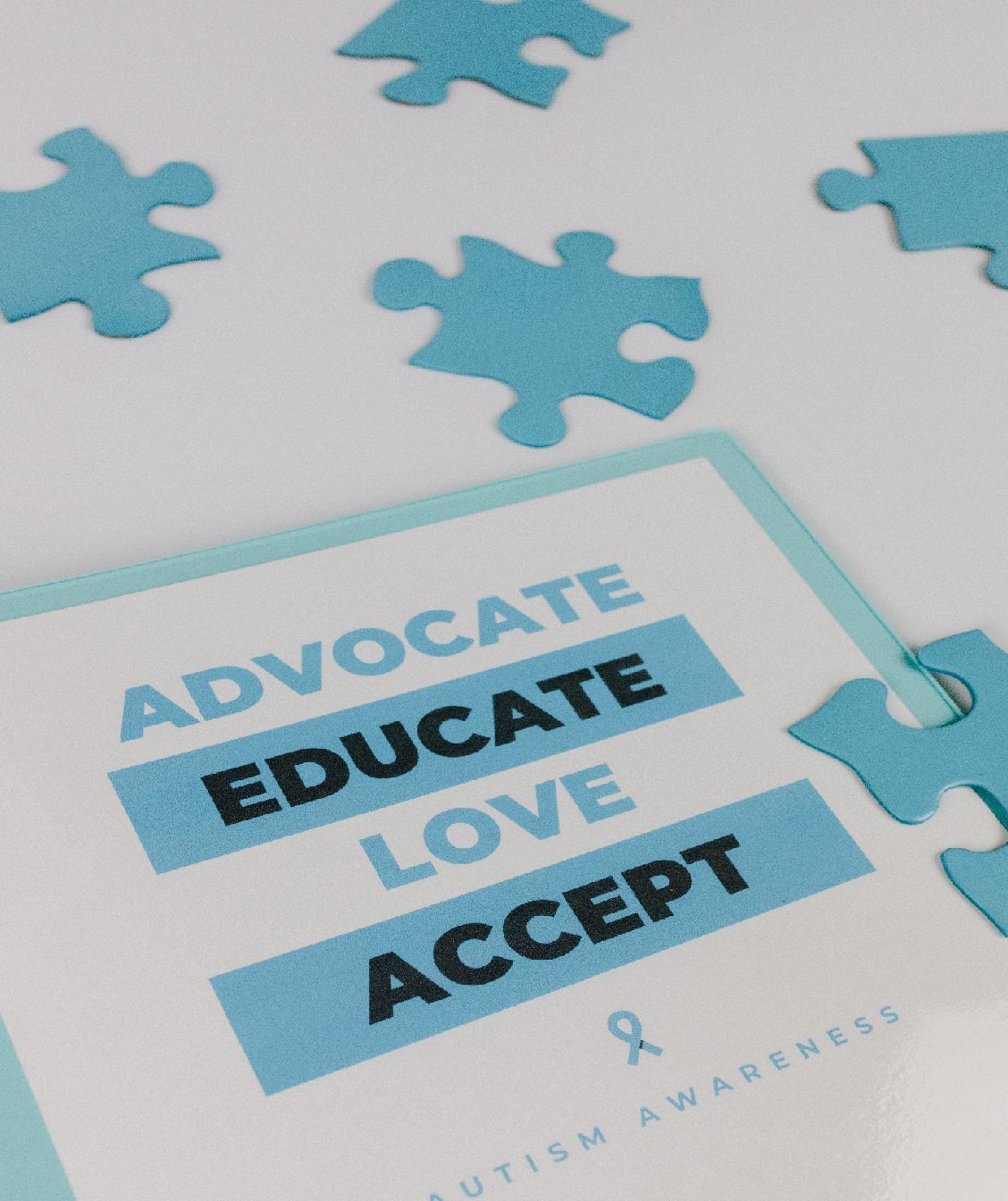
In recent years, non-fungible tokens (NFTs) have taken the digital world by storm, revolutionizing how we perceive and interact with digital assets. Simultaneously, the gaming industry has witnessed exponential growth, attracting a vast and diverse audience. When these two domains intersect, they pave the way for innovative opportunities, including realms of advocacy and social impact. In Rwanda, this convergence holds immense promise for driving positive change and raising awareness on critical social issues. NFTs, as unique and indivisible digital assets secured on the blockchain, have the potential to transform the way we support causes and raise funds for charitable initiatives. By tokenizing art, collectibles, or in-game items, content creators can leverage the value of their creations to support social causes and drive impact. In a country like Rwanda, where community empowerment and social development are paramount, NFTs present a compelling avenue for raising awareness and backing advocacy efforts. One exciting aspect of combining NFTs and gaming is the emergence of NFT games, where players can earn, own, and trade unique in-game assets as NFTs. These assets hold real-world value and can be used to support charitable causes or amplify advocacy campaigns. By participating in NFT game ecosystems, players can contribute to social impact initiatives while enjoying immersive gameplay experiences. This fusion of entertainment, technology, and philanthropy creates a dynamic space for driving positive change in Rwanda and beyond. Advocacy through NFT games in Rwanda can take various forms, ranging from raising awareness about environmental conservation and wildlife protection to promoting gender equality and education accessibility. By gamifying social issues and integrating NFTs into the gameplay loop, developers can engage players in meaningful narratives and campaigns that resonate with real-world challenges faced by Rwandan communities. Through strategic partnerships with nonprofits, NGOs, and advocacy groups, NFT game developers can amplify their impact and rally support for crucial causes. Moreover, the transparent and decentralized nature of blockchain technology empowers stakeholders to track and verify the impact generated through advocacy-driven NFT games. Smart contracts can ensure that a portion of in-game proceeds is allocated to specific charitable projects or social programs, fostering trust and accountability among players and supporters. By harnessing the power of NFTs, gaming, and advocacy, Rwanda can cultivate a vibrant ecosystem of social innovation and community engagement. In conclusion, the convergence of NFTs, gaming, and advocacy in Rwanda holds immense potential for driving positive change, raising awareness, and supporting critical social causes. By leveraging the unique characteristics of NFTs and the immersive nature of gaming, developers, creators, and advocates can collaborate to amplify their impact and empower communities. As this innovative landscape continues to evolve, the possibilities for using NFT games as a force for good in Rwanda are truly limitless.


