Navigating Scam Advocacy with Etiquette and Courtesy
Category : |
Sub Category : Posted on 2024-09-07 22:25:23
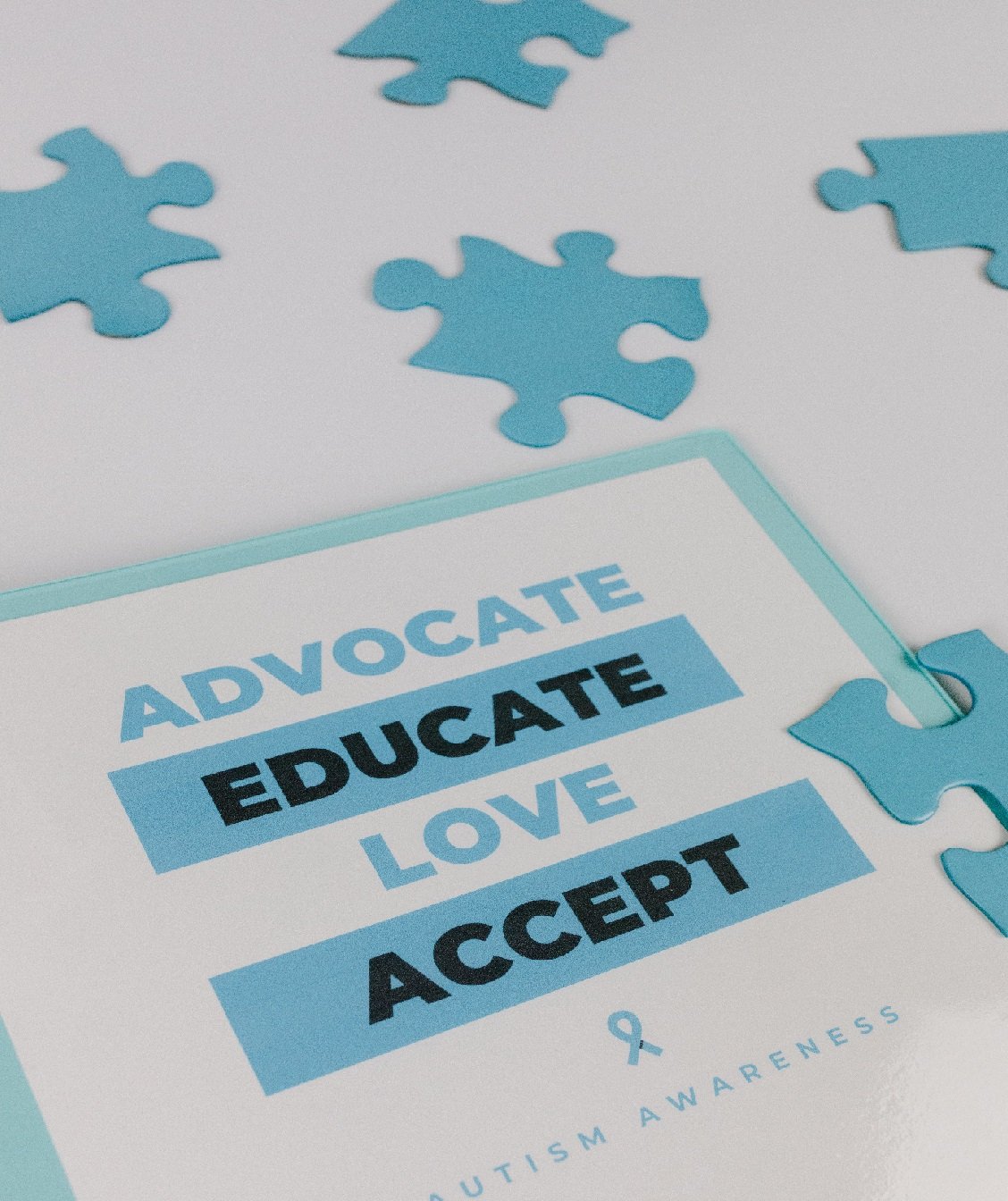
In today's digital age, scams have become an unfortunate reality that many people might encounter. Whether it's a phishing email, a fraudulent phone call, or a deceptive online offer, scams can come in various forms and prey on unsuspecting individuals. This is where scam advocacy plays a crucial role in educating and assisting the public in recognizing and avoiding scams. However, it's essential to approach scam advocacy with etiquette and courtesy to ensure that the message is effectively communicated and positively received. 1. Empathy and Understanding: Scam victims often feel embarrassed, upset, and vulnerable after falling for a scam. When advocating against scams, it's important to show empathy and understanding towards victims. Avoid blaming or shaming individuals who have been scammed, and instead offer support, resources, and guidance to help them recover from the experience. 2. Clear Communication: When spreading awareness about scams, it's essential to use clear and concise language that is easily understandable by people of all backgrounds. Avoid using technical jargon or complex terminology that might confuse or alienate your audience. By communicating clearly, you can effectively convey the importance of recognizing and avoiding scams. 3. Respectful Interactions: In the realm of scam advocacy, interactions with both victims and potential targets should always be conducted with respect and professionalism. Avoid engaging in heated debates or confrontations, and instead focus on providing factual information, practical tips, and relevant resources to help individuals protect themselves from scams. 4. Positive Reinforcement: While advocating against scams, it's important to highlight positive outcomes and success stories. By sharing stories of individuals who have avoided scams or learned from their experiences, you can inspire others to be more vigilant and proactive in protecting themselves against fraudulent schemes. 5. Collaboration and Partnership: Scam advocacy is a collective effort that involves various stakeholders, including government agencies, consumer protection organizations, law enforcement, and community groups. By collaborating with others in the field of scam advocacy, you can leverage expertise, resources, and networks to maximize the impact of your efforts and reach a broader audience. In conclusion, approaching scam advocacy with etiquette and courtesy is essential to effectively educate and empower the public in recognizing and avoiding scams. By showing empathy, communicating clearly, respecting others, highlighting positive outcomes, and fostering collaboration, you can contribute to a safer and more informed community that is better equipped to combat fraudulent activities. Remember, kindness and understanding go a long way in navigating the complex landscape of scam advocacy.


