Advocacy programs have long been a vital part of our society, offering support, resources, and a voice to those in need. However, not all advocacy programs have good intentions. In recent years, there has been a rise in scam advocacy programs that claim to help individuals but end up exploiting them for personal gain.
Category : |
Sub Category : Posted on 2024-09-07 22:25:23
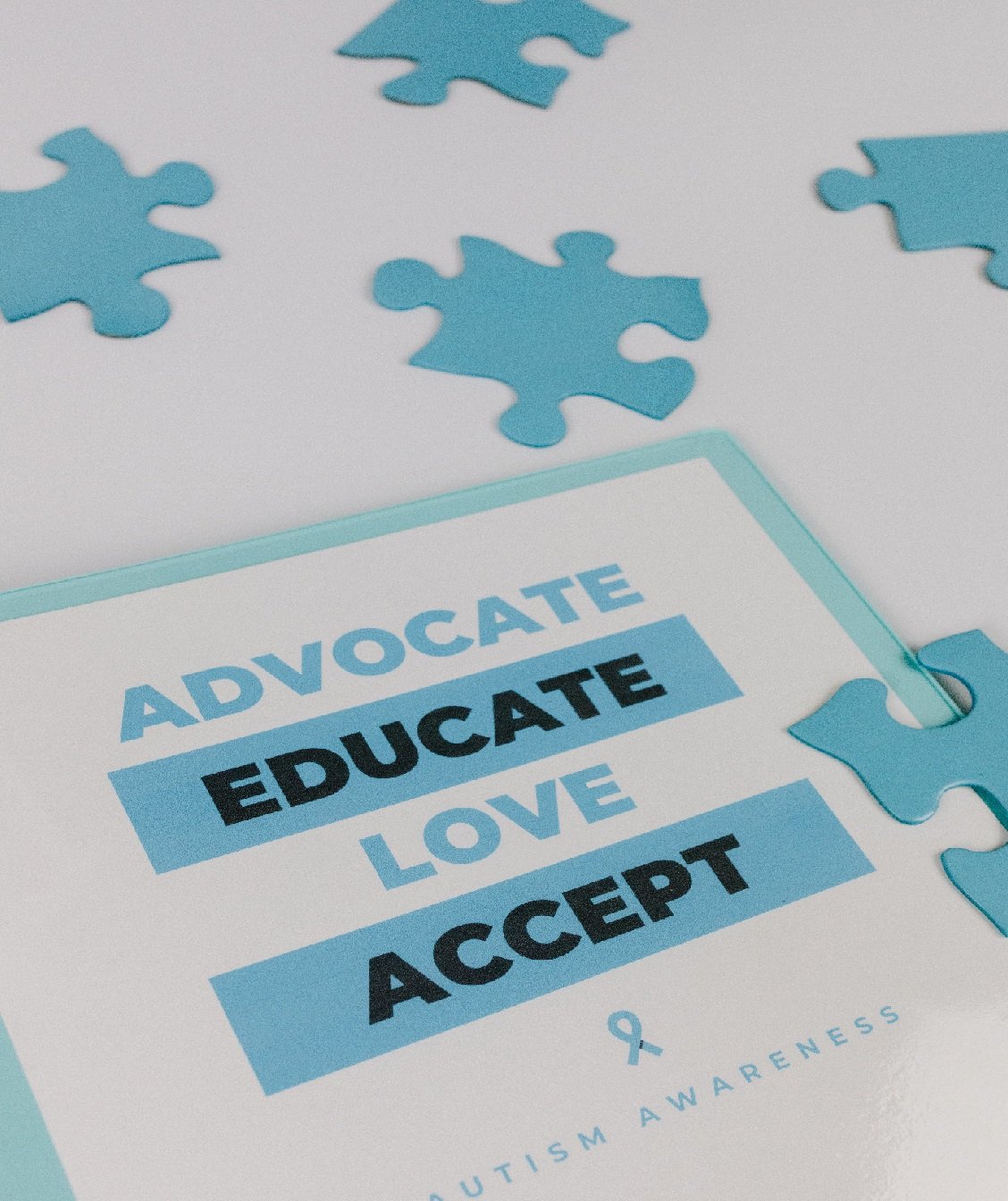
These scam advocacy programs often target vulnerable individuals who are in search of assistance with various issues such as legal matters, financial troubles, or health concerns. They may promise quick solutions, guaranteed results, or exclusive access to services in exchange for a fee or personal information. One common tactic used by scam advocacy programs is the uploads of false testimonials or fabricated success stories to lure in unsuspecting individuals. These uploads can create a false sense of credibility and trustworthiness, making it difficult for people to distinguish between legitimate advocacy programs and fraudulent ones. It is essential for individuals to be cautious when engaging with advocacy programs and to do their research before providing any personal information or payment. Here are some tips to help you avoid falling victim to scam advocacy programs: 1. Research the organization: Look up the advocacy program online, read reviews, and check for any complaints or scam alerts. 2. Verify credentials: Ask for proof of credentials, certifications, or affiliations to ensure the legitimacy of the advocacy program. 3. Trust your instincts: If something seems too good to be true or if you feel pressured to make a decision quickly, take a step back and assess the situation. 4. Seek advice: Consult with trusted friends, family members, or professionals before engaging with any advocacy program. By staying informed and aware of the tactics used by scam advocacy programs, you can protect yourself and ensure that you receive the support and assistance you truly need. Remember, advocacy programs should be focused on helping individuals and communities, not exploiting them for personal gain.


