The Intersection of Self-Study, Advocacy, Corruption, and Religious Power
Category : |
Sub Category : Posted on 2024-09-07 22:25:23
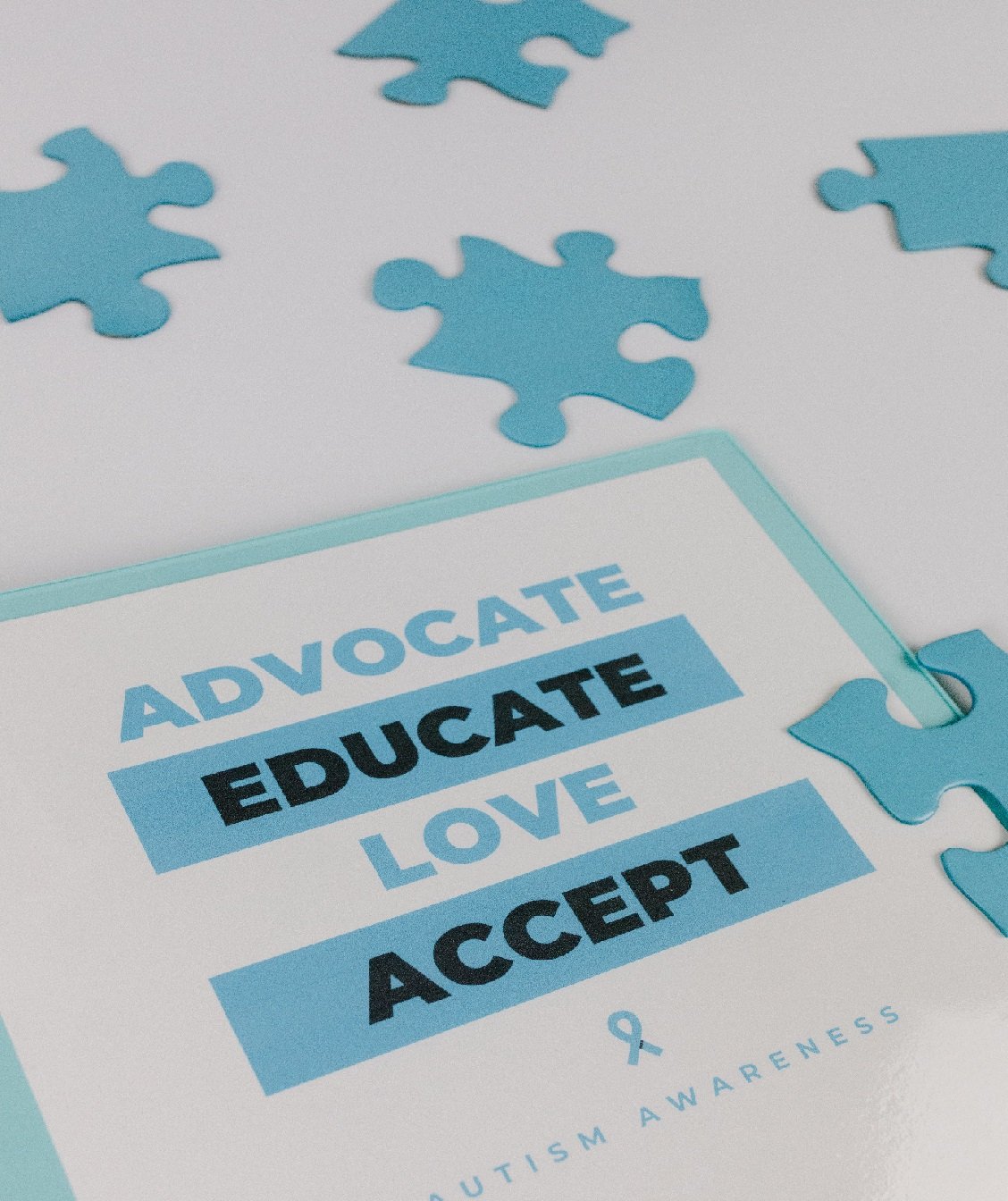
In today's world, the pursuit of knowledge through self-study has become increasingly popular. Individuals are taking their education into their own hands, utilizing resources such as online courses, books, and tutorials to enhance their skills and expertise. However, this self-study journey is not without its challenges, particularly when it comes to navigating issues of advocacy, corruption, and religious power. Advocacy is a crucial component of any self-study journey. It involves speaking up for one's beliefs, rights, and causes, and advocating for change when necessary. When individuals engage in self-study and seek knowledge independently, they often become advocates for their own learning, challenging traditional education systems and promoting the value of self-directed learning. Advocacy in self-study can also extend to broader societal issues, such as advocating for equal access to education and resources for all individuals, regardless of their background or circumstances. However, the path of self-study advocacy is not always smooth, as individuals may encounter corruption in various forms along the way. Corruption can manifest in educational institutions, online platforms, or even within the self-study community itself. It can hinder individuals' learning journeys, create barriers to access, and erode trust in the education system as a whole. As advocates for self-study, individuals must be vigilant in recognizing and addressing instances of corruption, standing up for integrity and transparency in their pursuit of knowledge. Religious power is another factor that can influence the self-study landscape. In some cases, religious institutions may seek to control or restrict individuals' access to certain types of knowledge or information, particularly if it conflicts with their religious beliefs or teachings. This can pose a challenge for individuals engaged in self-study, as they navigate the intersection of religious power and academic freedom. It is important for self-learners to remain open-minded, critical, and discerning in their quest for knowledge, respecting diverse perspectives and approaches to learning. In conclusion, the journey of self-study is a multifaceted one that intersects with issues of advocacy, corruption, and religious power. As individuals strive to expand their knowledge and skills through self-directed learning, they must also navigate these complex dynamics, advocating for their own education, confronting corruption, and respecting diverse beliefs and perspectives. By being informed, proactive, and principled in their approach to self-study, individuals can overcome challenges and empower themselves to reach new heights of intellectual and personal growth.


