Advocating for the Impact of Government-Funded Programs for Six-Year-Olds
Category : |
Sub Category : Posted on 2024-09-07 22:25:23
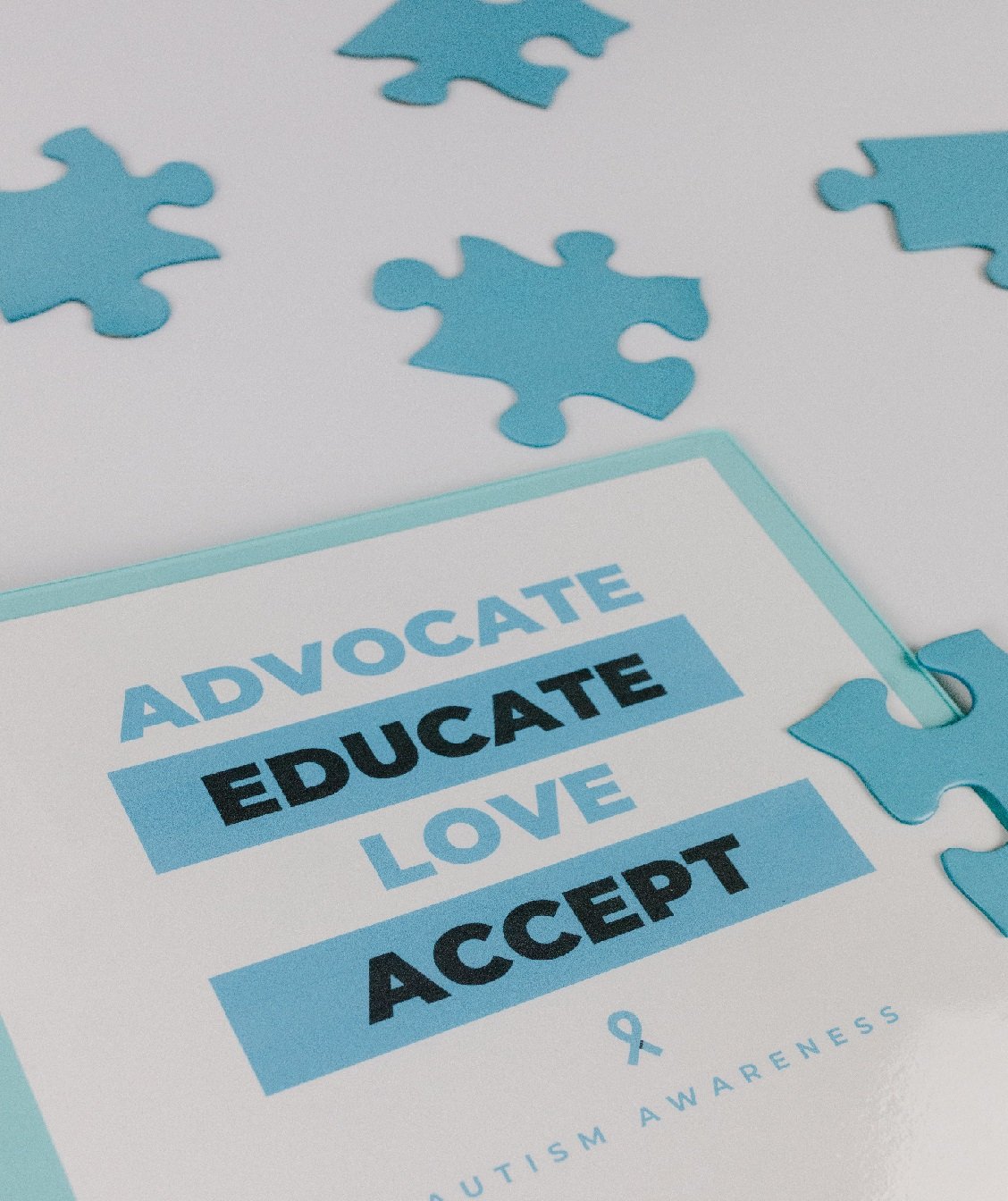
Introduction: Government-funded programs designed to support the development and well-being of six-year-olds play a crucial role in shaping the future of our society. Advocating for the importance and impact of these programs is essential to ensure that every child has access to the resources and opportunities they need to thrive. In this blog post, we will explore the significance of government-funded programs for six-year-olds and the advocacy efforts needed to support and enhance these initiatives. The Importance of Government-Funded Programs for Six-Year-Olds: At the age of six, children are entering a critical stage of development where they are transitioning from early childhood to the early elementary years. Government-funded programs aimed at this age group, such as preschool, kindergarten, and educational support services, are instrumental in providing children with a strong foundation for future academic success and overall well-being. These programs not only focus on academic readiness but also promote social and emotional development, physical health, and cognitive skills. By investing in early childhood education and support services for six-year-olds, governments can help narrow the achievement gap, improve graduation rates, and foster a skilled and competitive workforce for the future. Advocacy for Government-Funded Programs: Advocating for government-funded programs for six-year-olds involves raising awareness about the importance of early childhood education and support services, engaging with policymakers to secure funding and resources, and promoting policies that prioritize the needs of young children and their families. Advocates can play a crucial role in shaping public opinion, mobilizing community support, and influencing decision-makers to prioritize investments in programs that benefit six-year-olds. By sharing success stories, research findings, and data-driven evidence, advocates can make a compelling case for the positive impact of government-funded programs on the lives of children and families. In addition to traditional advocacy efforts, leveraging social media, organizing community events, and collaborating with other stakeholders in the early childhood field can amplify the voices of advocates and generate greater support for government-funded programs for six-year-olds. Conclusion: Government-funded programs for six-year-olds have the power to transform lives, strengthen communities, and build a brighter future for our society as a whole. Advocating for the importance and impact of these programs is an ongoing effort that requires dedication, collaboration, and a commitment to the well-being of our youngest citizens. By championing the value of early childhood education and support services, advocates can help ensure that every six-year-old has the opportunity to thrive and reach their full potential. Together, we can make a difference in the lives of children and families across the country by advocating for the funding and resources needed to support the well-being of six-year-olds.


