Navigating Conflicts in the History of Software Apps Advocacy
Category : |
Sub Category : Posted on 2024-09-07 22:25:23
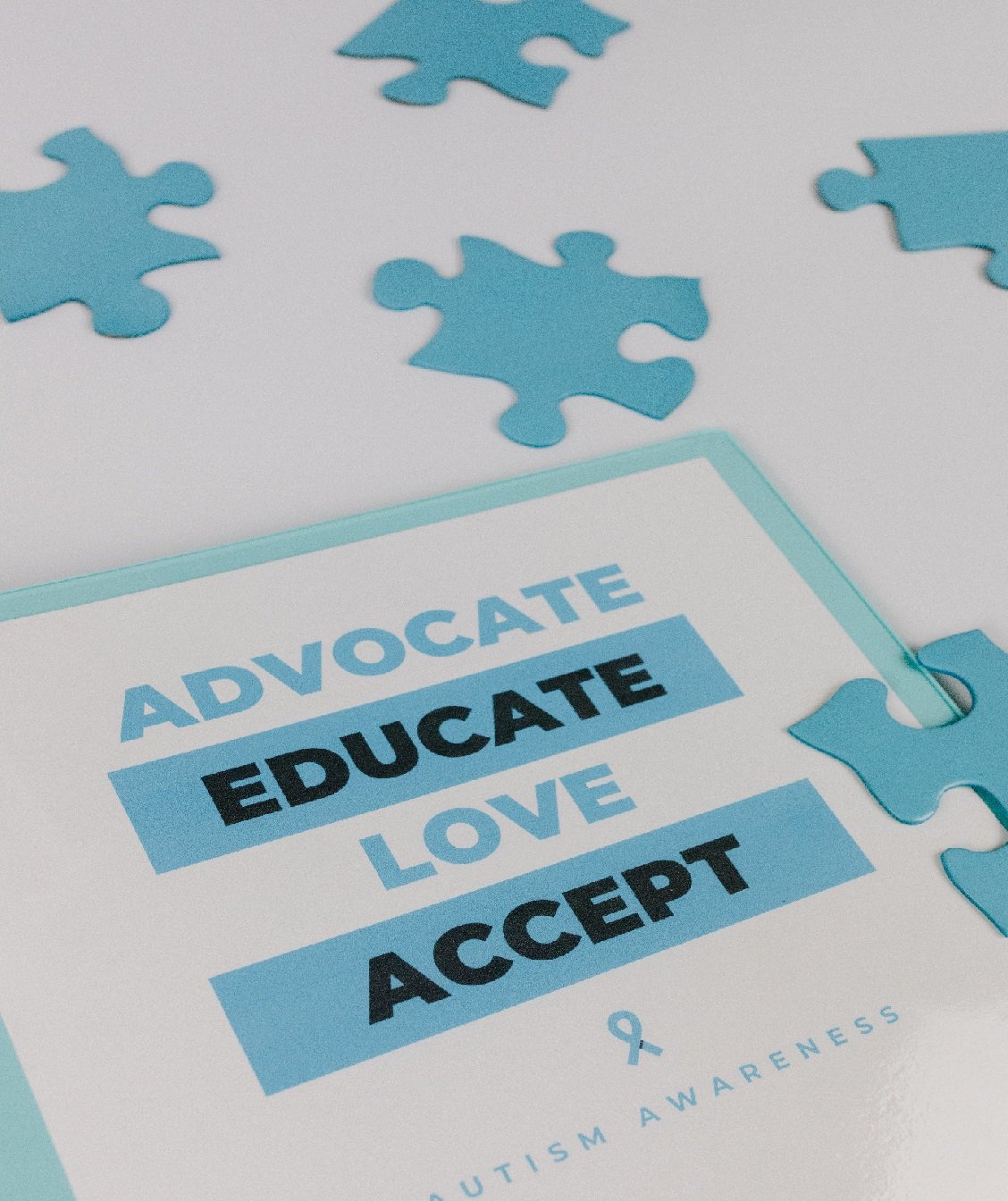
In the fast-evolving world of technology, software applications have become an integral part of our daily lives. From communication to productivity, entertainment to education, software apps play a crucial role in shaping the way we interact with the digital landscape. However, the history of software apps advocacy is not without its conflicts and challenges. One of the main areas of conflict in software apps advocacy revolves around proprietary vs. open-source software. Proprietary software is developed and owned by a single company, which retains control over the source code and licenses its use to customers. On the other hand, open-source software is freely available for anyone to use, modify, and distribute. Advocates of proprietary software argue that it offers better quality control, support, and security, while supporters of open-source software highlight its collaborative and community-driven nature. Another key point of contention in software apps advocacy is the balance between user privacy and data security. With the increasing amount of personal data being collected by apps, concerns about data breaches, surveillance, and misuse have come to the forefront. Advocates push for stronger privacy regulations and transparent data practices, while developers often cite the need for data collection to improve user experience and personalize services. Moreover, accessibility and inclusivity in software apps advocacy have also been significant areas of conflict. Ensuring that apps are accessible to users with disabilities, language barriers, and diverse needs is essential for creating a more equitable digital environment. Advocates strive to promote universal design principles and advocate for equal access to technology for all individuals, while developers may face challenges in implementing these features within budget and time constraints. Despite these conflicts, the history of software apps advocacy also highlights ongoing efforts to find common ground and drive positive change in the tech industry. Collaboration between developers, advocates, policymakers, and users is essential in addressing these challenges and shaping the future of software apps in a more sustainable and inclusive manner. In conclusion, conflicts in the history of software apps advocacy are inevitable as technology continues to evolve and impact various aspects of our lives. By engaging in constructive dialogues, fostering collaboration, and prioritizing user needs, stakeholders can work together to navigate these conflicts and create a more vibrant and ethically-driven digital ecosystem for all. also visit the following website https://www.nwsr.net For a comprehensive overview, don't miss: https://www.grauhirn.org


