Navigating Conflicts in History: The Evolution of Survey Contribution Advocacy
Category : |
Sub Category : Posted on 2024-09-07 22:25:23
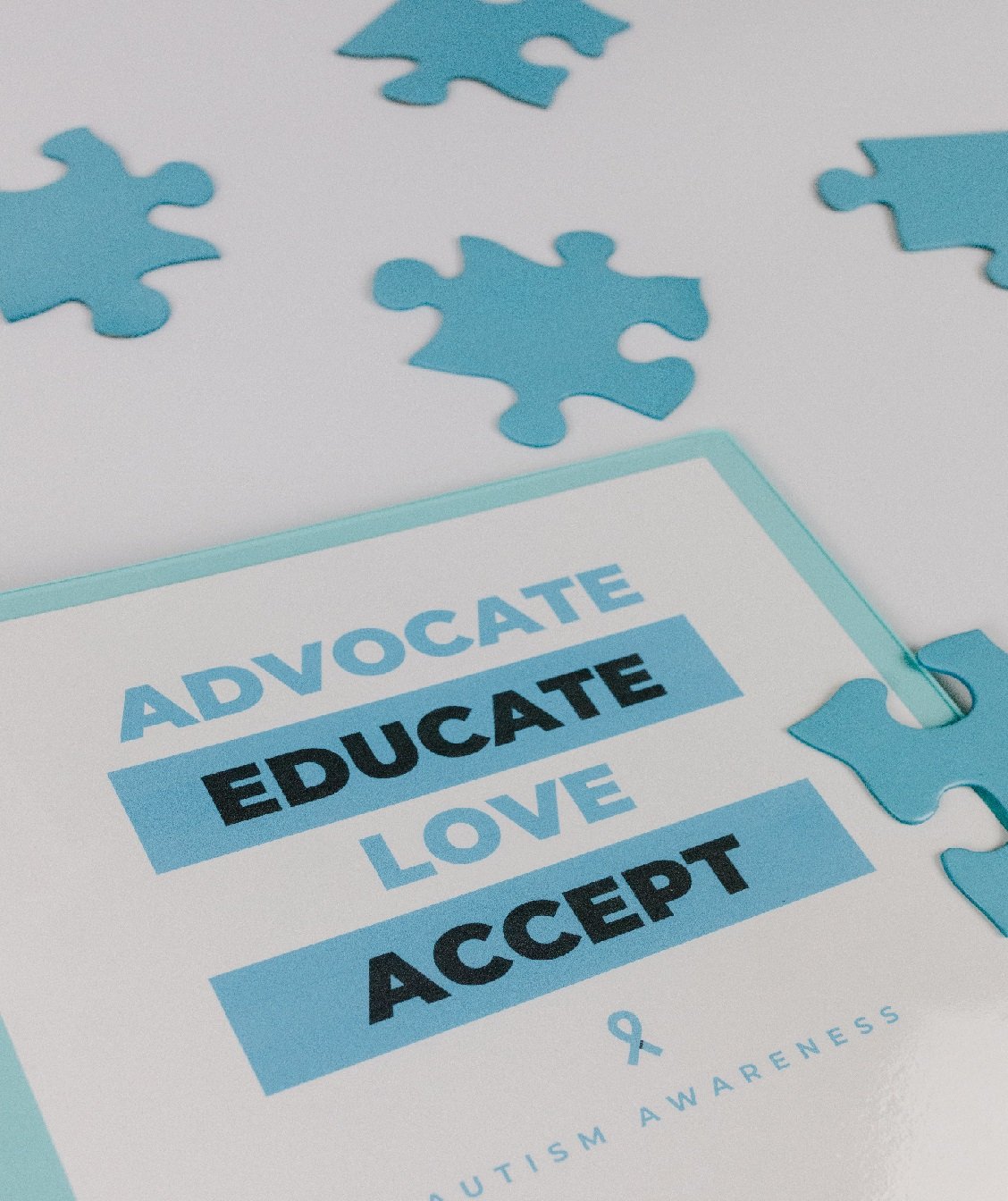
Throughout history, conflicts have been a common occurrence, shaping the course of societies and influencing the way we perceive the world. From territorial disputes to political disagreements, conflicts have often led to division and sometimes even violence. However, amidst these challenges, there have been movements that aim to promote peace, understanding, and collaboration. One such movement is Survey contribution advocacy, which plays a crucial role in bridging gaps and facilitating dialogue in times of conflict. Survey contribution advocacy involves conducting surveys to gather information, opinions, and feedback from different groups within a society. These surveys can cover a wide range of topics, including social issues, political preferences, and cultural beliefs. By collecting data from diverse perspectives, survey contribution advocacy aims to provide a comprehensive understanding of the underlying factors contributing to conflicts. In the realm of history, survey contribution advocacy has played a significant role in addressing conflicts and promoting reconciliation. By enabling people to voice their opinions and experiences, surveys have helped to shed light on the root causes of conflicts and facilitate dialogue between opposing parties. Through the data collected from surveys, advocates have been able to identify common ground, highlight areas of disagreement, and work towards finding sustainable solutions. One notable example of survey contribution advocacy in history is the Truth and Reconciliation Commission (TRC) in South Africa. In the aftermath of apartheid, the TRC conducted surveys and hearings to document the experiences of victims and perpetrators of human rights abuses. By gathering data and stories from all sides of the conflict, the TRC played a crucial role in promoting healing and reconciliation in a deeply divided society. In recent times, survey contribution advocacy has evolved with the advancement of technology. Online surveys and social media platforms have made it easier for people to participate in data collection initiatives and share their perspectives on conflicts. By harnessing the power of digital tools, survey contribution advocacy has become more inclusive and accessible, enabling a wider range of voices to be heard. Moving forward, it is essential to continue advocating for survey contribution in conflict resolution efforts. By prioritizing data-driven approaches and listening to the voices of those directly impacted by conflicts, we can work towards building a more peaceful and understanding world. As history has shown, survey contribution advocacy has the potential to transform conflicts into opportunities for growth, healing, and positive change.


