Advocacy Diplomacy: Navigating Survey Results to Drive Change
Category : |
Sub Category : Posted on 2024-09-07 22:25:23
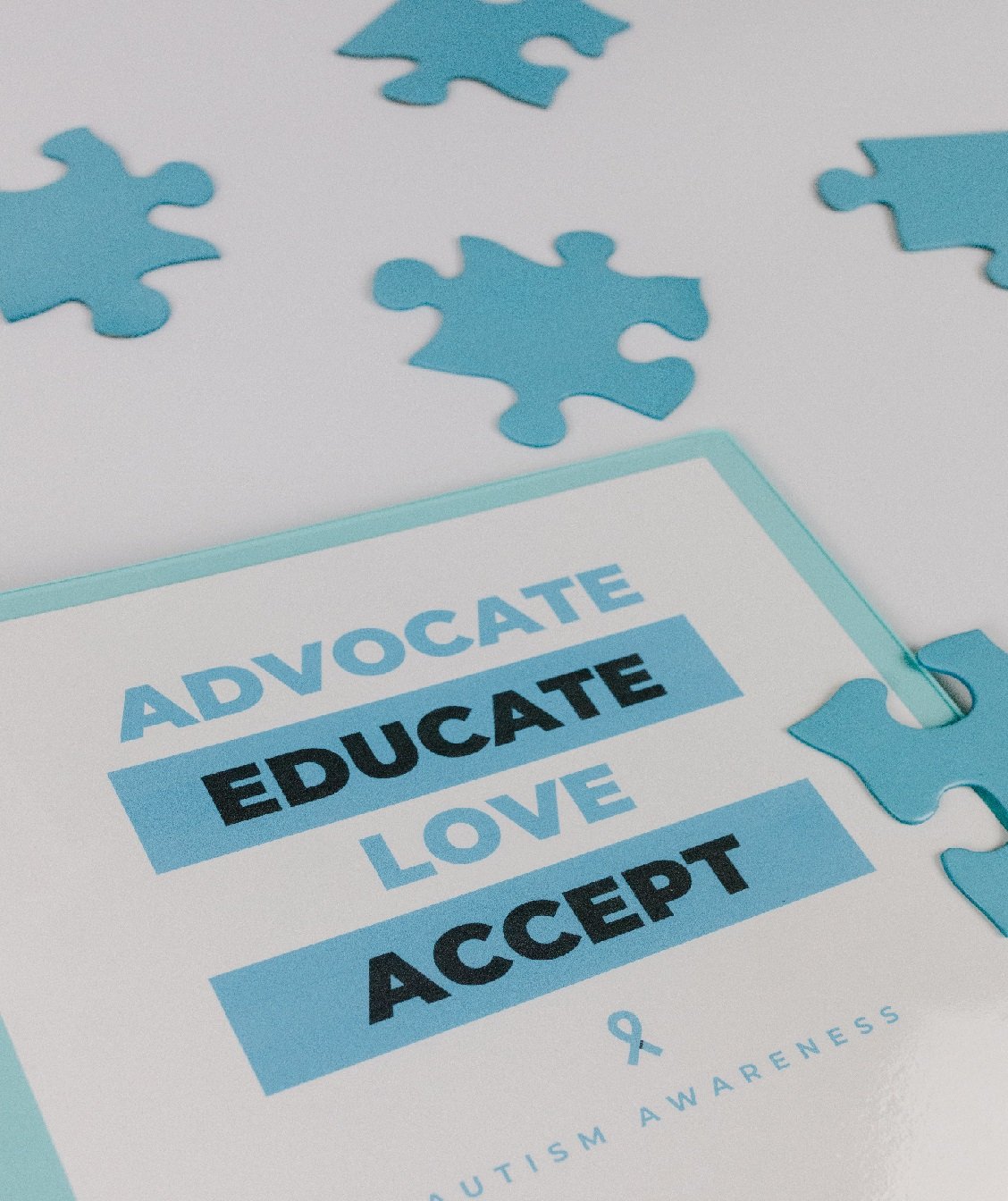
In today's interconnected world, advocacy and diplomacy go hand in hand in bringing about positive change on a global scale. By utilizing Survey results effectively, advocates and diplomats can better understand the needs and opinions of different communities, and tailor their strategies to address pressing issues. Let's explore how survey results can be a powerful tool in advocacy diplomacy: 1. **Understanding Stakeholder Perspectives**: Surveys allow advocates and diplomats to gather data directly from stakeholders, whether they are community members, policymakers, or experts in a specific field. By analyzing survey responses, they can gain insights into the priorities, concerns, and preferences of different groups, helping them to craft more targeted advocacy campaigns and diplomatic initiatives. 2. **Building Credible Evidence**: Surveys provide a quantifiable way to gather data and gauge public opinion. When advocates and diplomats present survey results as evidence to support their positions, they lend credibility to their arguments and demonstrate the validity of their claims. This can be particularly effective in influencing decision-makers and garnering support for policy changes. 3. **Identifying Key Issues and Trends**: Survey results can reveal key issues and trends that may not be immediately apparent. By analyzing survey data, advocates and diplomats can identify emerging challenges, patterns of behavior, or areas of consensus that can inform their advocacy efforts or diplomatic engagements. This proactive approach can help them stay ahead of the curve and anticipate future developments. 4. **Measuring Impact and Progress**: Surveys can also be used to track the impact of advocacy and diplomacy initiatives over time. By conducting follow-up surveys and comparing results, advocates and diplomats can measure progress, assess the effectiveness of their strategies, and adjust their approaches as needed. This iterative process of data collection and analysis is critical for ensuring that their efforts are making a meaningful difference. 5. **Fostering Dialogue and Collaboration**: Survey results can serve as a starting point for meaningful dialogue and collaboration between advocates, diplomats, stakeholders, and decision-makers. By sharing survey findings with relevant parties, they can facilitate productive discussions, build consensus around shared goals, and foster partnerships that lead to collective action. This collaborative approach is essential for driving sustainable change and addressing complex global challenges. In conclusion, survey results are a valuable tool for advocates and diplomats engaged in advocacy diplomacy. By leveraging data-driven insights, they can better understand stakeholder perspectives, build credible evidence, identify key issues and trends, measure impact and progress, and foster dialogue and collaboration. Ultimately, this strategic use of survey results can empower them to effectively drive change, advance their causes, and make a positive impact on the world stage.


