Empowering the Urdu Community Through Advocacy Work and Skills Development
Category : |
Sub Category : Posted on 2024-09-07 22:25:23
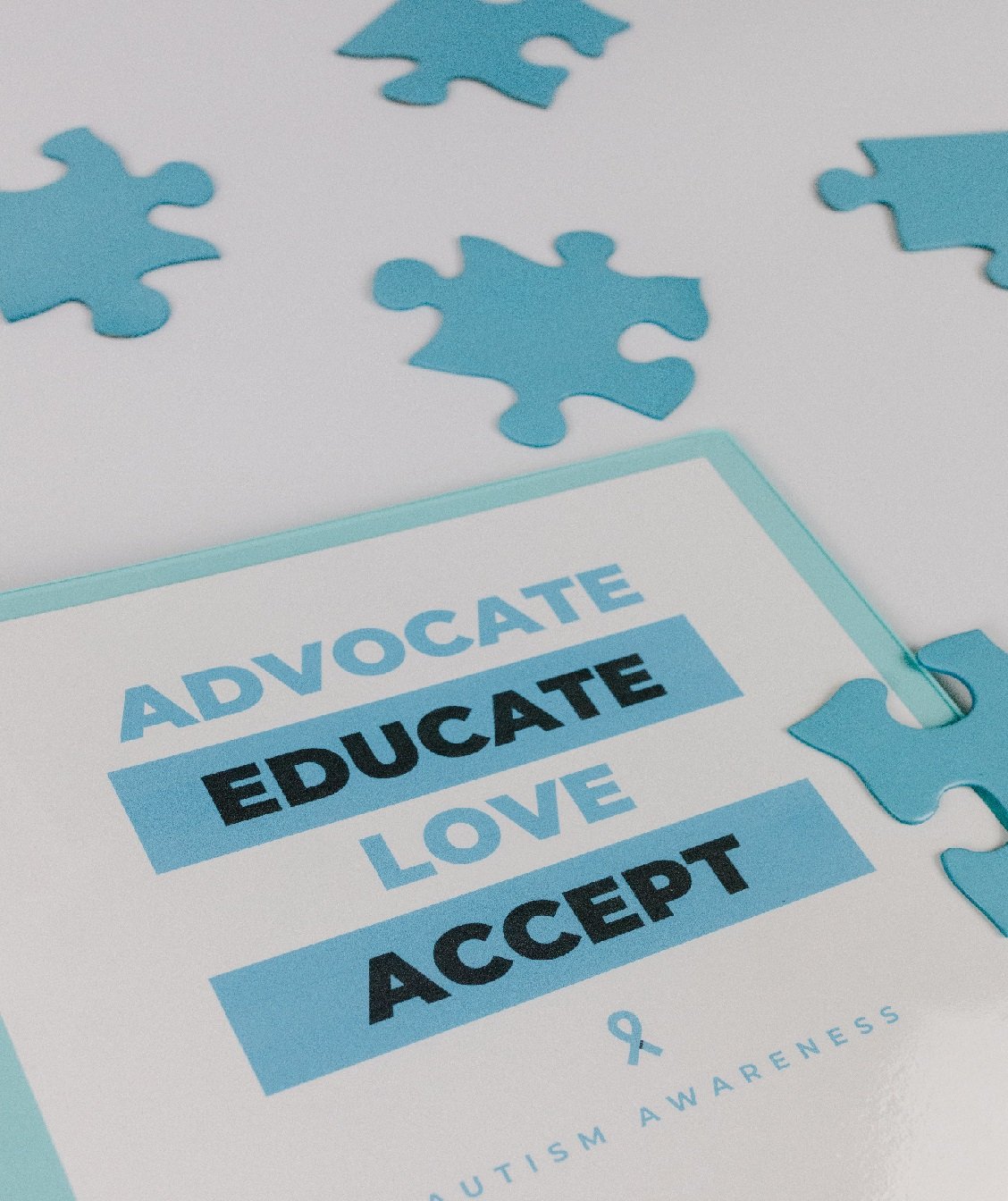
In recent years, there has been a growing recognition of the importance of advocating for the rights and well-being of minority communities, including the Urdu-speaking community. Advocacy work plays a crucial role in promoting social justice, equality, and inclusivity for all members of society. Additionally, Skills development is essential for empowering individuals to reach their full potential and contribute meaningfully to their communities. The Urdu-speaking community, with its rich cultural heritage and traditions, often faces unique challenges and barriers in accessing opportunities for personal and professional growth. Advocacy work aimed at addressing these challenges can help create a more inclusive and equitable society where individuals from diverse backgrounds have equal access to resources and support systems. One of the key goals of advocacy work within the Urdu community is to raise awareness about issues affecting community members and to advocate for policies and programs that address these issues effectively. This may include advocating for better access to education, healthcare, employment opportunities, and social services for Urdu-speaking individuals and families. Skills development is another important aspect of empowering the Urdu community. By providing individuals with the necessary skills and knowledge, they can enhance their employability, pursue higher education, and become active participants in the social and economic development of their communities. Skills development programs can encompass a wide range of areas, such as vocational training, language proficiency, computer literacy, entrepreneurship, and leadership development. Collaboration between community organizations, educational institutions, government agencies, and other stakeholders is essential for the success of advocacy work and skills development initiatives within the Urdu community. By working together, these entities can leverage their resources, expertise, and networks to create comprehensive and sustainable programs that have a lasting impact on community members. Furthermore, mentorship and networking opportunities can play a vital role in supporting the personal and professional growth of individuals within the Urdu community. Mentors can provide guidance, share knowledge and experience, and offer valuable support to individuals as they navigate their educational and career paths. Networking events can also facilitate connections and collaborations among community members, leading to increased opportunities for personal and professional development. In conclusion, advocacy work and skills development are powerful tools for empowering the Urdu community and promoting social justice and equality. By advocating for the rights and well-being of community members and providing them with the necessary skills and resources, we can create a more inclusive and thriving society where all individuals have the opportunity to flourish and succeed. It is through collaborative efforts and a shared commitment to empowerment that we can build a brighter future for the Urdu community and beyond.


