Bridging Cultures: Advocacy in the Urdu and Hispanic Communities
Category : |
Sub Category : Posted on 2024-09-07 22:25:23
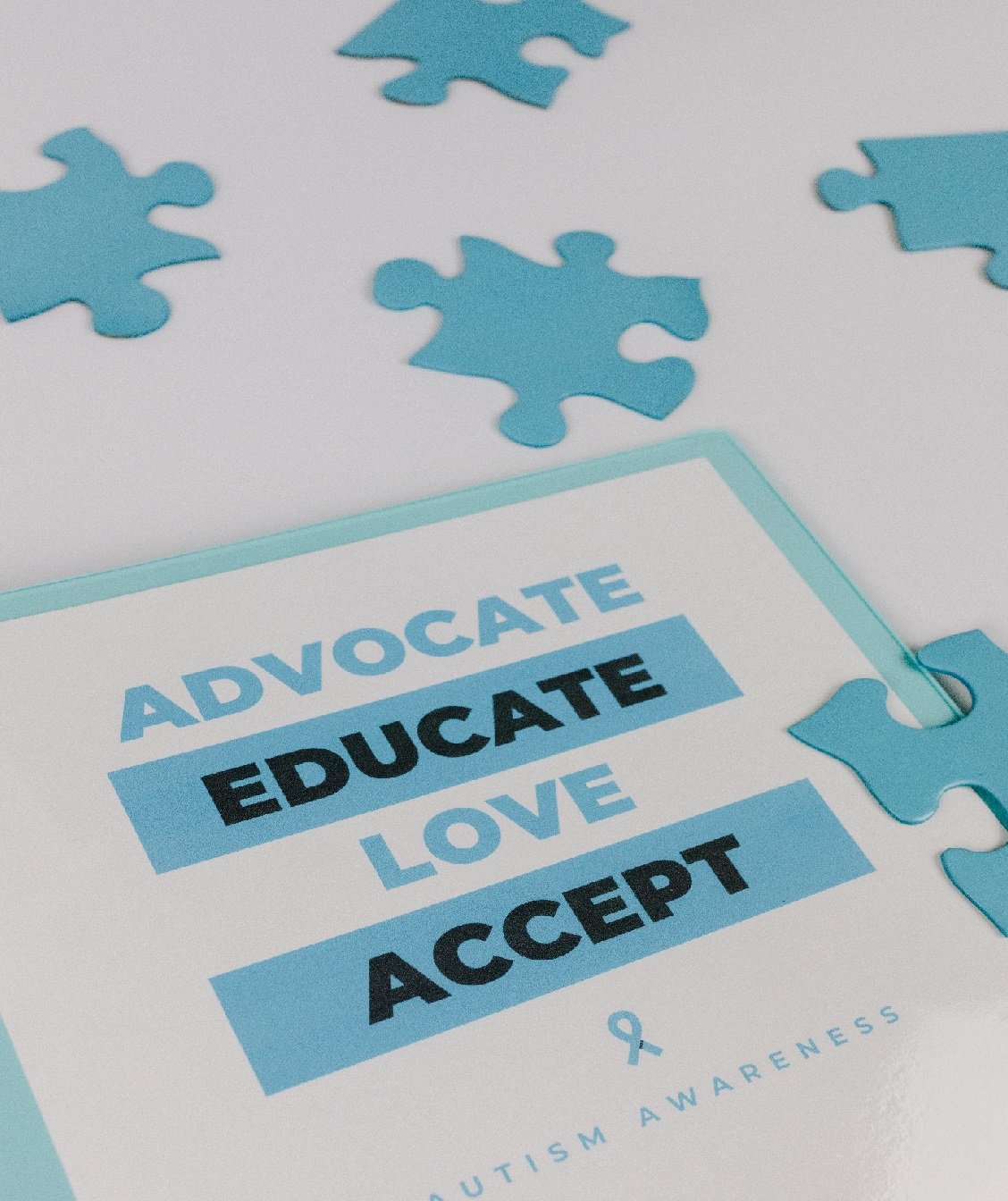
In today's diverse society, it is essential to recognize the importance of advocacy within different cultural communities. The Urdu and Hispanic communities, each rich in their own traditions and values, play a significant role in advocating for the well-being and rights of their members. Despite originating from different parts of the world and speaking different languages, these communities share common goals of empowerment and representation. Advocacy within the Urdu community is multifaceted, with a focus on issues ranging from immigration rights to healthcare access. Urdu-speaking individuals, who may have immigrated to various countries, face challenges related to assimilation, discrimination, and access to resources. Advocacy groups and organizations within the Urdu community work tirelessly to provide support, guidance, and representation for their members. These efforts often involve community outreach, legal assistance, and educational programs aimed at promoting social justice and equality. Similarly, the Hispanic community is a vibrant and dynamic group that advocates for social, economic, and political equality. With a strong focus on issues such as immigration reform, language access, and cultural preservation, Hispanic advocacy groups work towards creating a more inclusive and equitable society. By organizing rallies, educational workshops, and grassroots campaigns, the Hispanic community amplifies its voice and demands for change. The intersectionality of the Urdu and Hispanic communities is a powerful force in advocacy work. By recognizing each other's struggles and forming alliances, these communities can amplify their impact and create a more robust framework for change. Collaboration between Urdu and Hispanic advocacy groups can lead to a broader understanding of shared challenges and increased solidarity in the fight for justice and equality. In conclusion, advocacy in the Urdu and Hispanic communities is essential for promoting social justice, empowerment, and representation. By working together and supporting each other's causes, these communities can create a more inclusive and equitable society for all. Bridging cultures through advocacy efforts not only fosters understanding and unity but also strengthens the collective voice of diverse communities in the pursuit of a better future.


