The Importance of Advocacy in Occupational Audiology
Category : |
Sub Category : Posted on 2023-10-30 21:24:53
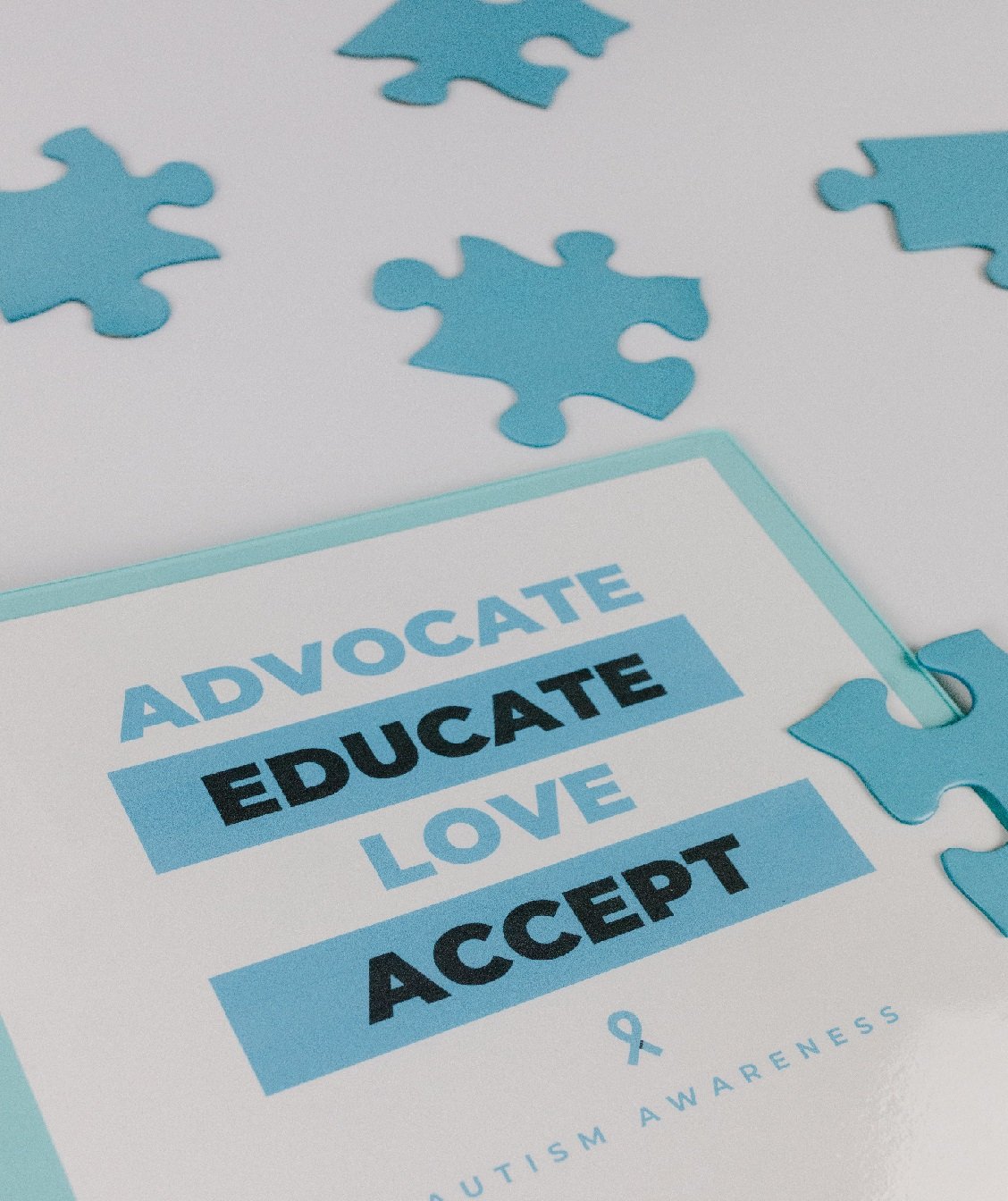
Introduction: Occupational audiology is a specialized field that focuses on preventing, diagnosing, and managing hearing-related issues in the workplace. As the prevalence of occupational hearing loss continues to rise, the need for advocacy in occupational audiology has become critical. In this blog post, we will explore the significance of advocacy in promoting hearing health and ensuring a safe working environment. 1. Raising Awareness: Advocacy plays a crucial role in raising awareness about occupational audiology. By educating employers, employees, and the general public about the risks of occupational hearing loss, advocacy campaigns can help prevent these issues from occurring in the first place. Promoting awareness about the importance of regular hearing screenings, utilizing proper hearing protection, and implementing noise control measures can ultimately contribute to a healthier workforce. 2. Policy Development and Implementation: Advocacy efforts are necessary for the development and implementation of policies that protect the hearing health of workers. These policies can include regulations on noise exposure limits, mandatory hearing protection programs, and guidelines for workplace noise control measures. By actively advocating for these policies, occupational audiologists can ensure that employers prioritize hearing conservation programs and provide a safe working environment for their employees. 3. Facilitating Access to Hearing Healthcare: Advocacy in occupational audiology also focuses on facilitating access to hearing healthcare services. By advocating for affordable and comprehensive hearing healthcare coverage, audiologists can ensure that workers have access to regular hearing screenings, diagnostic evaluations, and necessary treatments. This promotes early detection and intervention, which can significantly improve outcomes for individuals with occupational hearing loss. 4. Collaboration and Partnerships: Advocacy efforts also involve collaboration and partnerships with other stakeholders such as employers, industry associations, unions, and government agencies. By building meaningful partnerships, occupational audiologists can amplify their voice and influence change. Working together, they can develop strategies to address the barriers and challenges faced in implementing effective hearing conservation programs in various work settings. Conclusion: Advocacy is an integral part of occupational audiology, playing a vital role in raising awareness, policy development, access to hearing healthcare, and fostering collaboration. By advocating for a comprehensive approach to hearing conservation, occupational audiologists can create a positive impact on the lives of workers and ensure a safer working environment. Together, we can work towards preventing occupational hearing loss and promoting a culture of hearing health in the workplace. For an extensive perspective, read http://www.natclar.com


