Micro Advocacy in Africa: Small Actions, Big Impact
Category : |
Sub Category : Posted on 2023-10-30 21:24:53
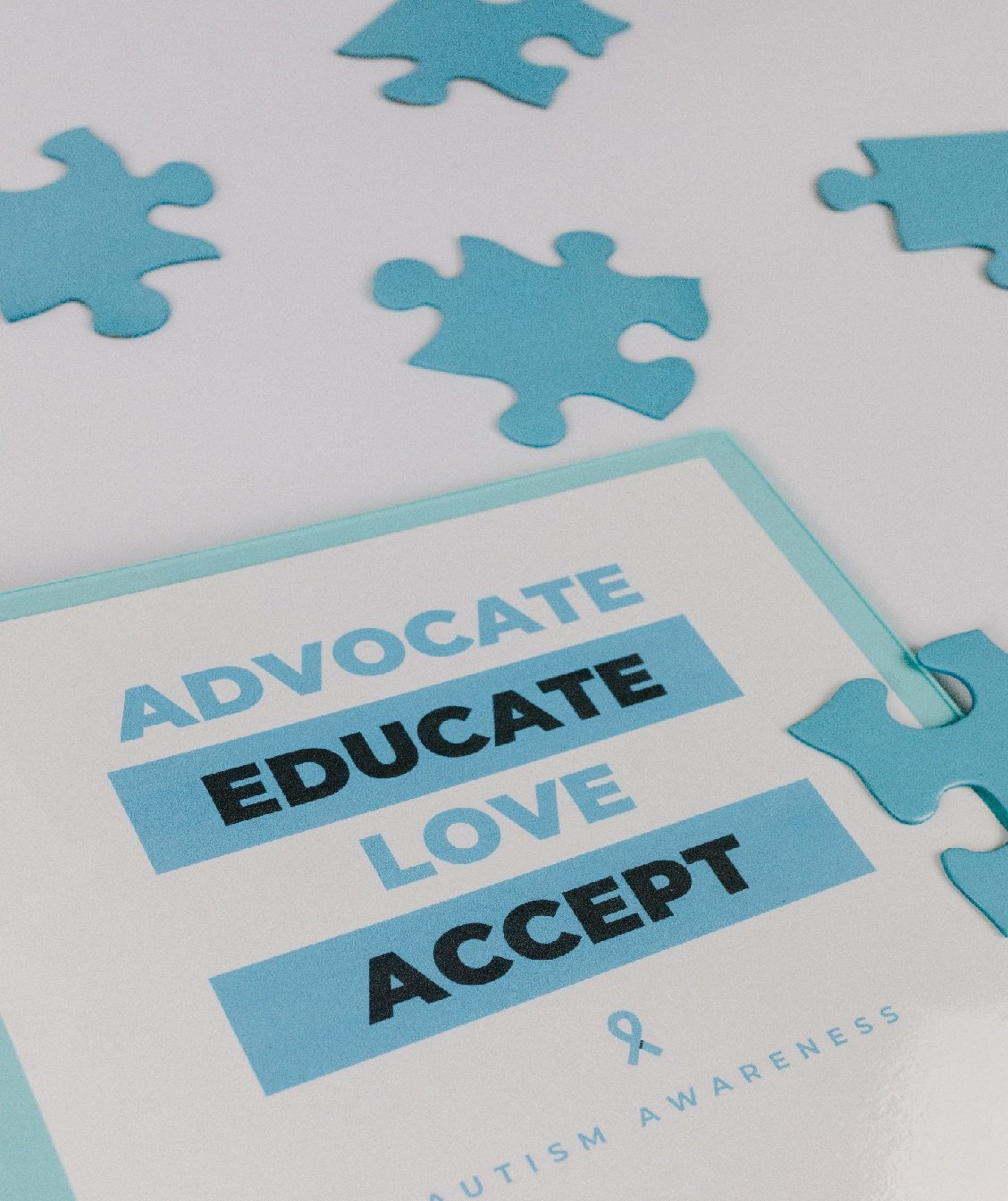
Introduction: Advocacy plays a crucial role in bringing about positive change in societies. While we often associate advocacy with large-scale campaigns and powerful organizations, micro advocacy is equally important and effective in making a difference. In this article, we will explore some inspiring examples of micro advocacy initiatives in Africa that have had a significant impact on local communities. 1. Community-led Conservation Projects: In many African countries, local communities are taking charge of preserving their natural resources through micro advocacy efforts. These projects focus on educating and engaging community members to protect wildlife habitats, combat illegal poaching, and promote sustainable practices. For instance, grassroots initiatives such as the Maasai Wilderness Conservation Trust in Kenya have successfully empowered local Maasai communities to become guardians of their ecosystem while improving their livelihoods. 2. Youth Activism: Africa's young population has emerged as a powerful force for change through micro advocacy. From grassroots movements on social media platforms to organizing local initiatives, youth activists are amplifying their voices and demanding action on critical issues. Examples include the #FeesMustFall movement in South Africa, which advocates for affordable education, and the #BringBackOurGirls campaign in Nigeria, which raises awareness about the kidnapping of schoolgirls by Boko Haram. 3. Women's Empowerment: Micro advocacy plays a significant role in advancing women's rights and empowerment across African nations. Initiatives like Women's Rights Awareness Programs, run by local NGOs, provide information and support to women on their rights, health, education, and economic opportunities. In Rwanda, for instance, the Imbuto Foundation has launched various micro empowerment programs that enable women to start small businesses, gain financial independence, and contribute to their communities. 4. Health Education and Awareness: Micro advocacy initiatives in Africa are also playing a crucial role in promoting health education and awareness. Various organizations are raising awareness about diseases like malaria, HIV/AIDS, and Ebola, empowering communities to take preventive measures and seek timely treatment. One remarkable example is the use of community health workers who provide door-to-door education and support in remote areas, making a significant impact on reducing the spread of diseases and improving health outcomes. 5. Entrepreneurship and Job Creation: Micro advocacy is fostering entrepreneurship and job creation across Africa. Organizations and individuals are providing training, financial support, and mentorship to aspiring entrepreneurs, enabling them to start and grow their own businesses. Such initiatives not only create employment opportunities but also drive economic growth and reduce poverty levels. The Tony Elumelu Foundation's Entrepreneurship Program, which provides mentorship and grants to African entrepreneurs, is one inspiring example. Conclusion: Micro advocacy initiatives in Africa demonstrate the power of small actions in creating significant social change. From conserving natural resources to empowering marginalized communities, addressing critical issues to improving livelihoods, micro advocacy is making a lasting impact. By highlighting these examples, we hope to inspire individuals and organizations to recognize the potential of their individual efforts and contribute to a brighter future for Africa. Remember, change starts from within, and even the smallest actions can have a profound impact on the lives of others. Seeking in-depth analysis? The following is a must-read. http://www.afrospaces.com


