Social Justice in Communities: Promoting Change and Equality in Pakistan
Category : |
Sub Category : Posted on 2023-10-30 21:24:53
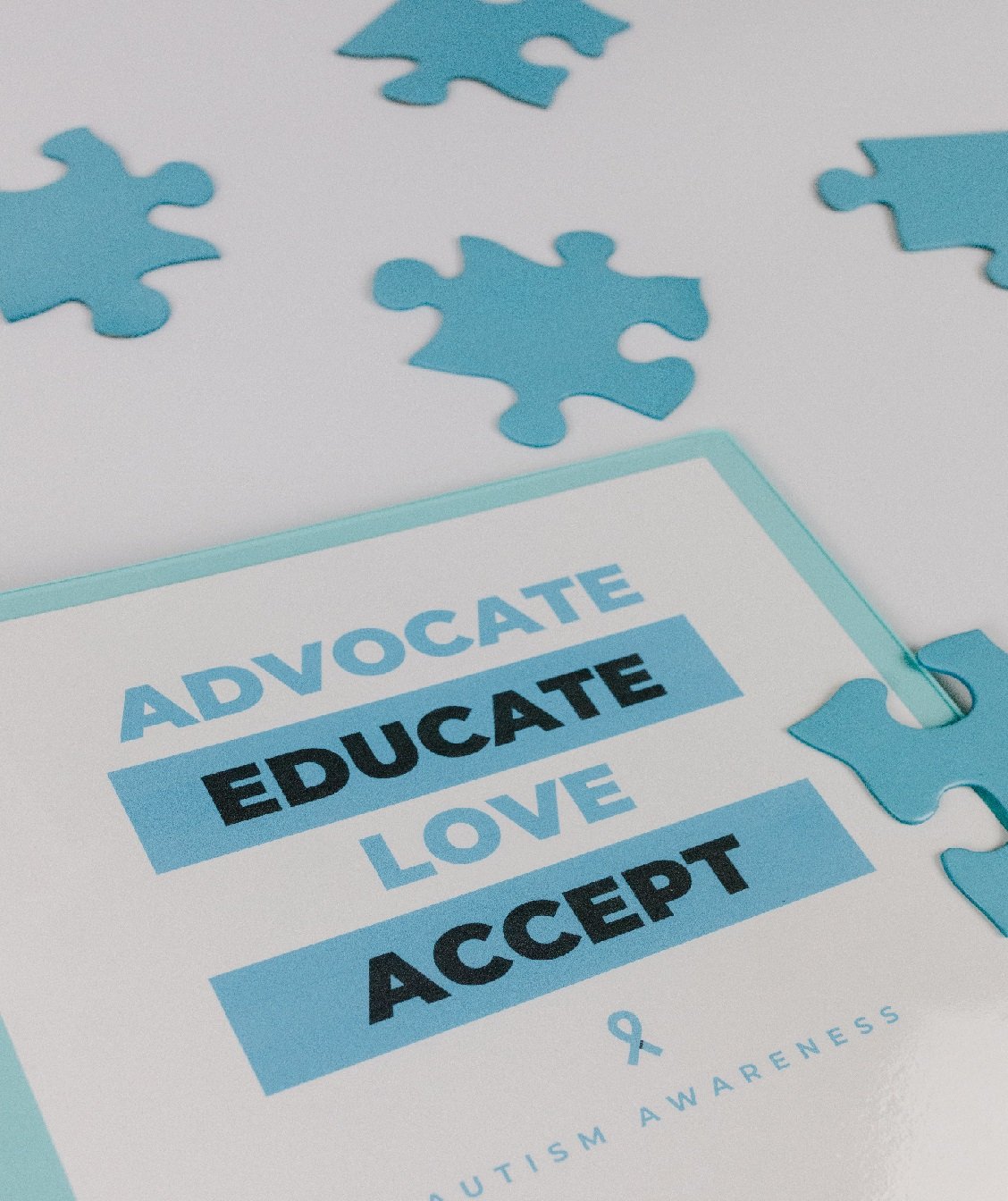
Introduction: Social justice is a fundamental aspect of creating an inclusive and progressive society. In Pakistan, various communities have long struggled with inequality, poverty, and a lack of basic human rights. However, the nation is witnessing a growing movement towards social justice, with individuals, organizations, and government initiatives striving to create positive change and equal opportunities for all. In this blog post, we will explore the importance of social justice in Pakistani communities and highlight some of the efforts being made to foster a fair and just society. 1. Recognizing the Challenges: Pakistan is a country that consists of diverse communities, each facing unique challenges when it comes to social justice. For instance, marginalized groups such as women, religious minorities, and the LGBTQ+ community have historically been subjected to discrimination and limited access to healthcare, education, and opportunities. Acknowledging these disparities is crucial in addressing the root causes and formulating effective solutions. 2. Empowering Women: Promoting gender equality is a critical aspect of social justice in Pakistan. Many organizations and grassroots movements are working tirelessly to uplift women and address the systemic barriers they face. Efforts such as providing education and skill-building opportunities, advocating for legislative reforms, and creating safe spaces for women to voice their concerns are helping to empower women in communities across the country. 3. Supporting Marginalized Communities: Religious and ethnic minorities face various challenges regarding their civil rights, safety, and access to opportunities. Advocacy and support groups are working to protect the rights of these communities and address discriminatory practices. Legal reforms, awareness campaigns, and inclusivity initiatives are being implemented to create a more inclusive society where everyone, regardless of their background, can thrive. 4. Education for All: Education plays a crucial role in empowering individuals and reducing social inequalities. Pakistan has witnessed significant strides in improving access to education, particularly for children from low-income backgrounds. Government policies, non-profit organizations, and the efforts of dedicated individuals are helping to bridge the education gap by providing quality education, scholarships, and vocational training opportunities to underserved communities. 5. Public Welfare and Poverty Alleviation: Efforts to ensure social justice in Pakistan also encompass poverty alleviation and providing essential public services. Government initiatives, such as the Ehsaas program, aim to provide financial assistance, healthcare, food security, and housing to those in need. Additionally, non-governmental organizations are working to create sustainable livelihood options, enabling individuals to break free from the cycle of poverty and create a better future for themselves and their communities. Conclusion: Promoting social justice in Pakistani communities is an ongoing journey that requires concerted efforts from all segments of society. By recognizing and addressing the challenges faced by marginalized groups, empowering women, supporting marginalized communities, ensuring quality education for all, and implementing poverty alleviation programs, Pakistan is striving towards creating a fairer and more just society. Through collective action, compassion, and inclusivity, Pakistan can continue to make remarkable progress in promoting social justice and shaping a brighter future for all its citizens. For more information check: http://www.uurdu.com


