Self-Study Micro Advocacy Examples: Making a Big Impact in Small Ways
Category : |
Sub Category : Posted on 2023-10-30 21:24:53
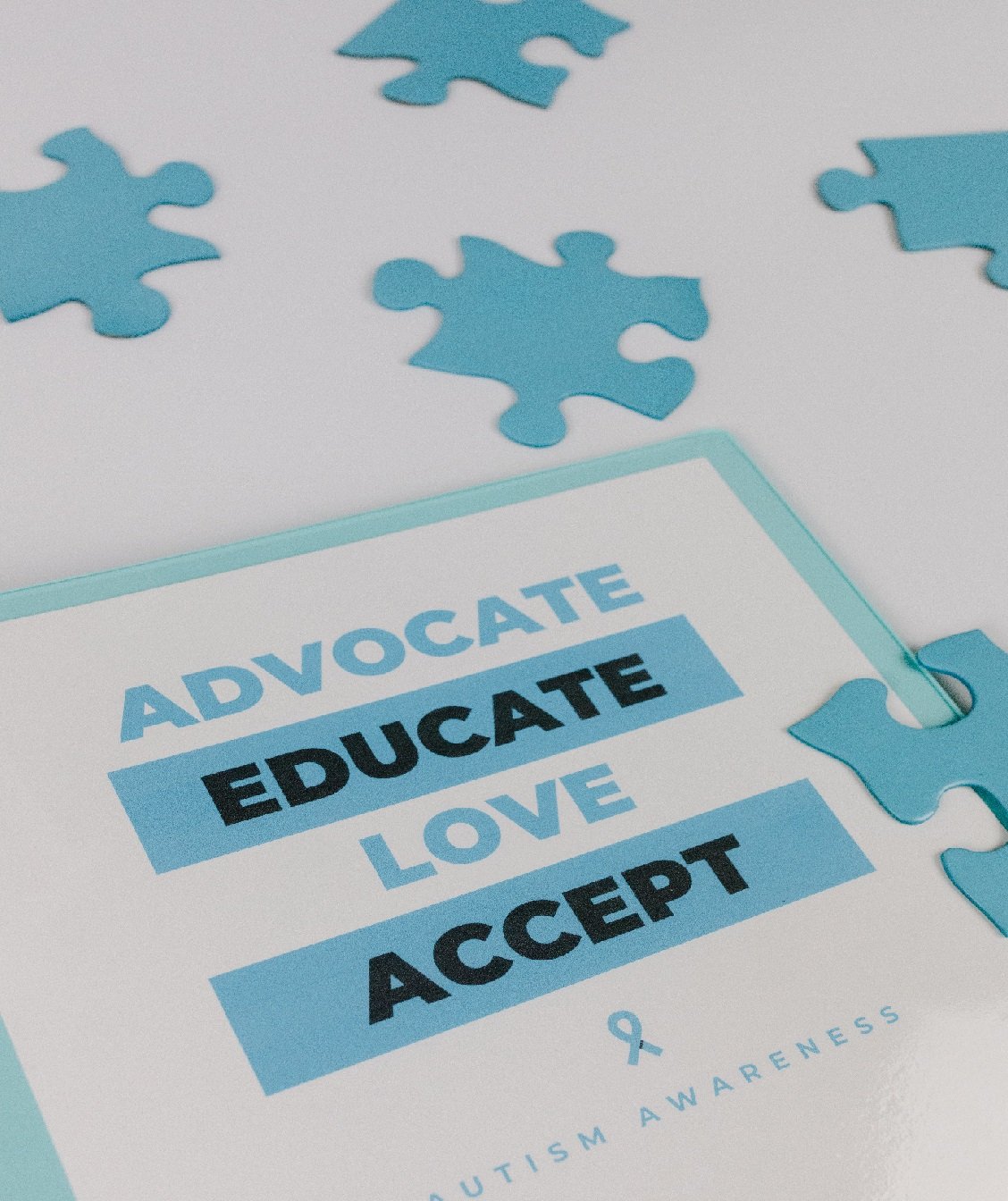
Introduction: Advocacy is often associated with large-scale movements and organized campaigns. However, it's important to remember that impactful advocacy can also be achieved through small, individual efforts. In this blog post, we will explore the concept of self-study micro advocacy, discuss its significance, and provide some inspiring examples to help you make a big impact in small ways. 1. Understanding Self-Study Micro Advocacy: Self-study micro advocacy refers to engaging in acts of advocacy on an individual level, without relying on organized groups or external resources. It involves taking personal responsibility for learning about important issues and proactively advocating for change through small but meaningful actions. It allows individuals to contribute to positive social change in their own unique ways, regardless of their resources or platforms. 2. The Power of Small Actions: While larger advocacy efforts are crucial for driving systemic change, self-study micro advocacy demonstrates that impactful advocacy can start from within. A single person's actions, when multiplied across many individuals, can create a significant collective impact. By starting small, individuals can make a noticeable difference in their immediate circles and communities. 3. Inspiring Examples of Self-Study Micro Advocacy: a. Conscious Consumerism: One popular example of self-study micro advocacy is practicing conscious consumerism. By educating yourself on ethical and sustainable practices, you can align your purchasing choices with your values. Supporting businesses that prioritize social and environmental responsibility can help drive change in industries, even if it's on a small scale. b. Community Engagement: Another powerful way to engage in self-study micro advocacy is by actively participating in your local community. Whether it's volunteering at a shelter, organizing a neighborhood cleanup, or supporting local initiatives, your actions can inspire others to get involved and create a positive ripple effect. c. Social Media Activism: Utilizing social media platforms to advocate for causes you care about is another effective form of self-study micro advocacy. By sharing educational content, signing online petitions, or amplifying others' voices, you can raise awareness and promote dialogue around important issues. Your online presence and engagement can contribute to a larger movement for change. d. Personal Education and Dialogue: Engaging in self-study micro advocacy also involves continuously educating yourself on various social justice topics and actively participating in respectful dialogue. By staying informed and sharing your knowledge with others, you can help break down misconceptions and foster understanding within your circles. 4. Overcoming Challenges: Engaging in self-study micro advocacy is not without challenges. It can be disheartening to feel like your efforts are insignificant compared to larger-scale initiatives. However, it's crucial to remember that even small actions make a difference. By focusing on the impact you can create within your immediate sphere of influence, you can stay motivated and inspire others to join in your efforts. Conclusion: Self-study micro advocacy provides a valuable avenue for individuals to contribute to positive change in their communities and the world. By understanding the power of small actions and choosing to learn, engage, and advocate within our means, we can make a significant impact. So, embrace self-study micro advocacy and let your small actions create a ripple effect of positive change.


